

AI Summit 2026
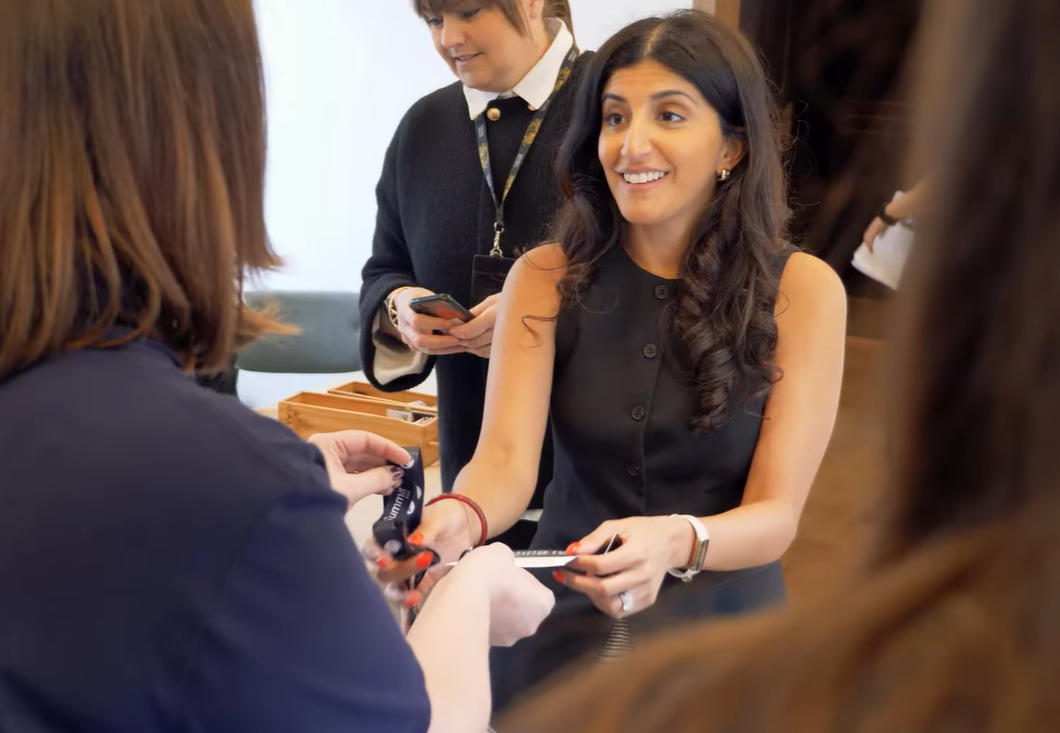
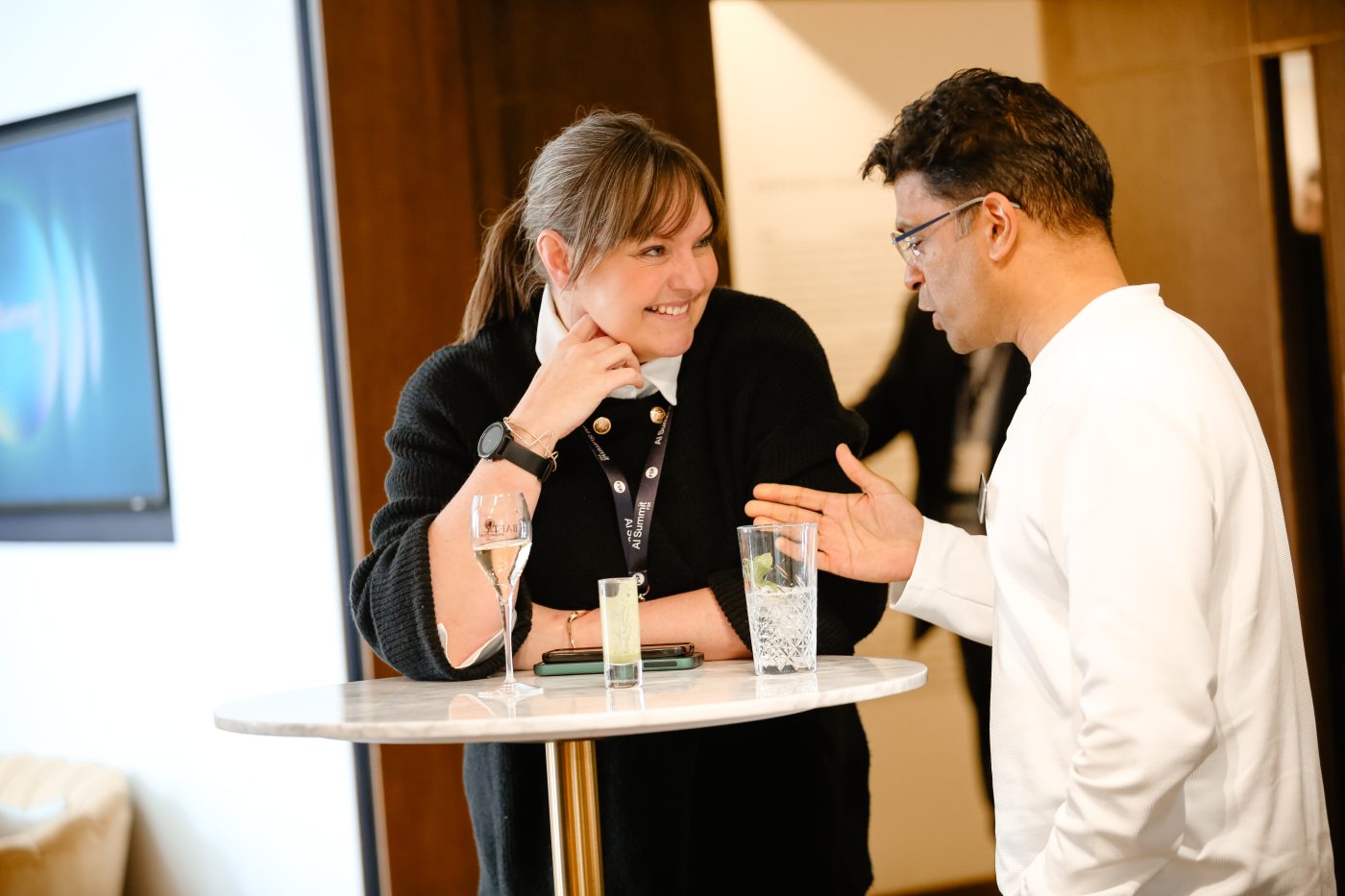
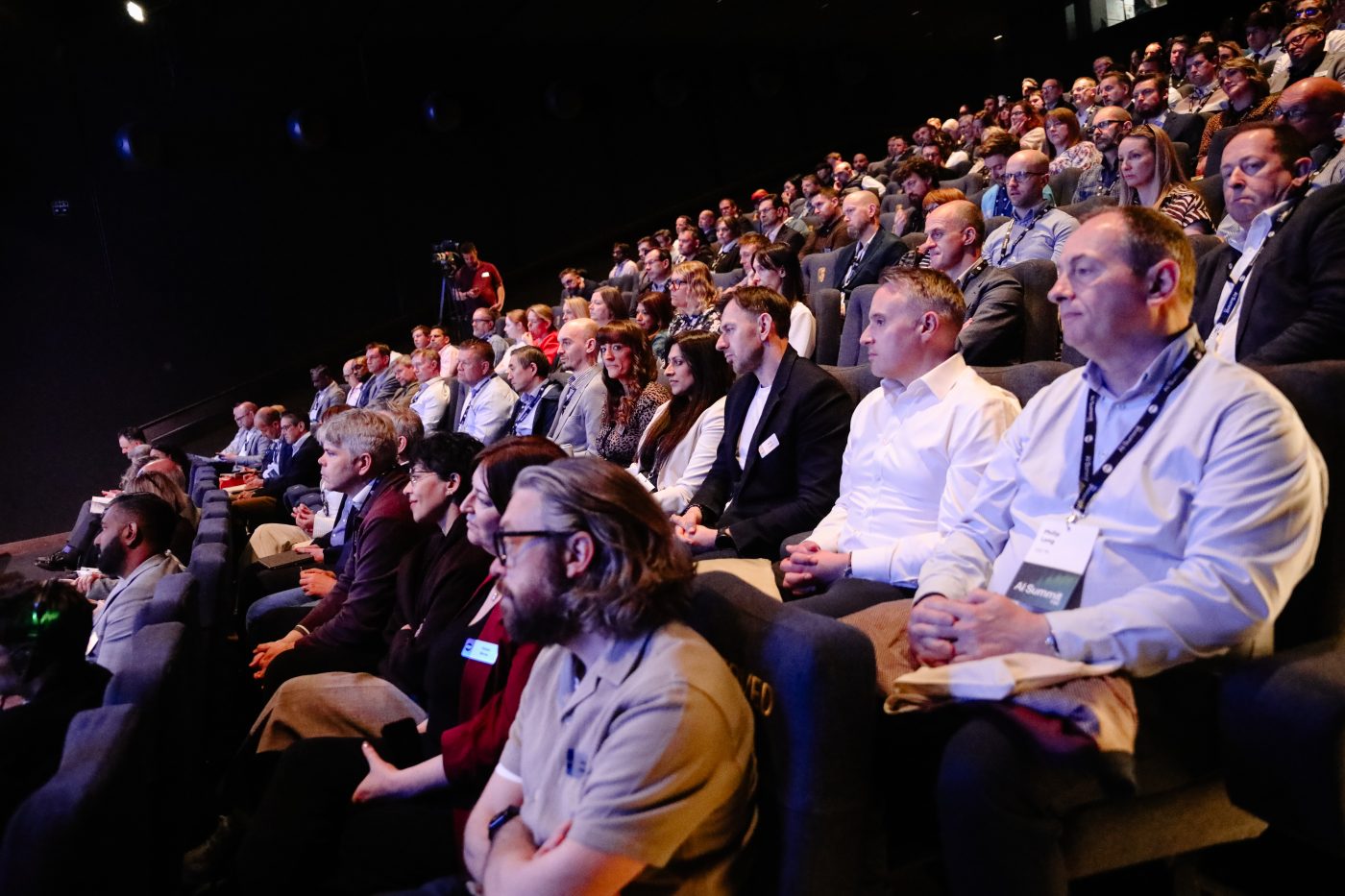
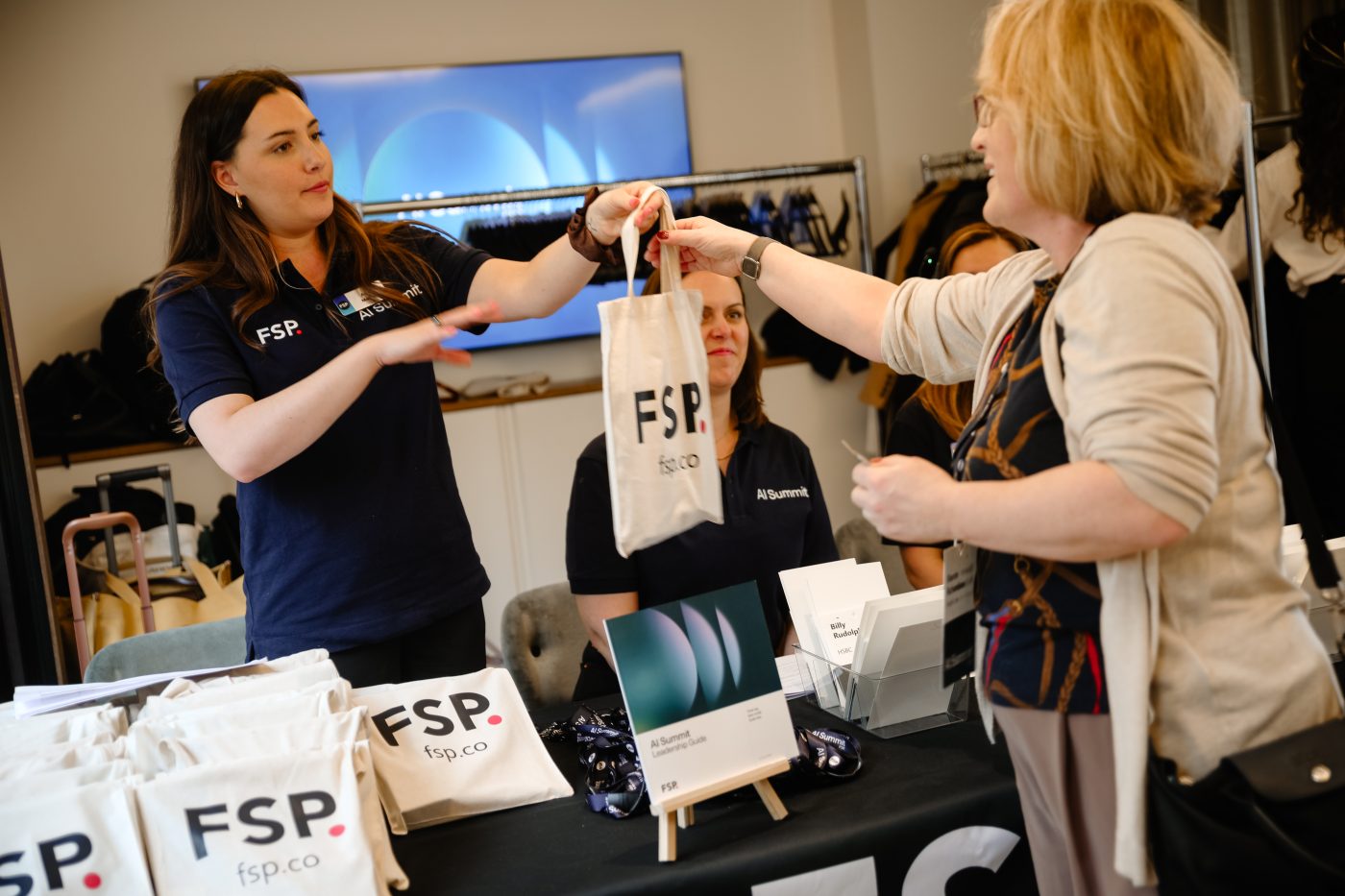
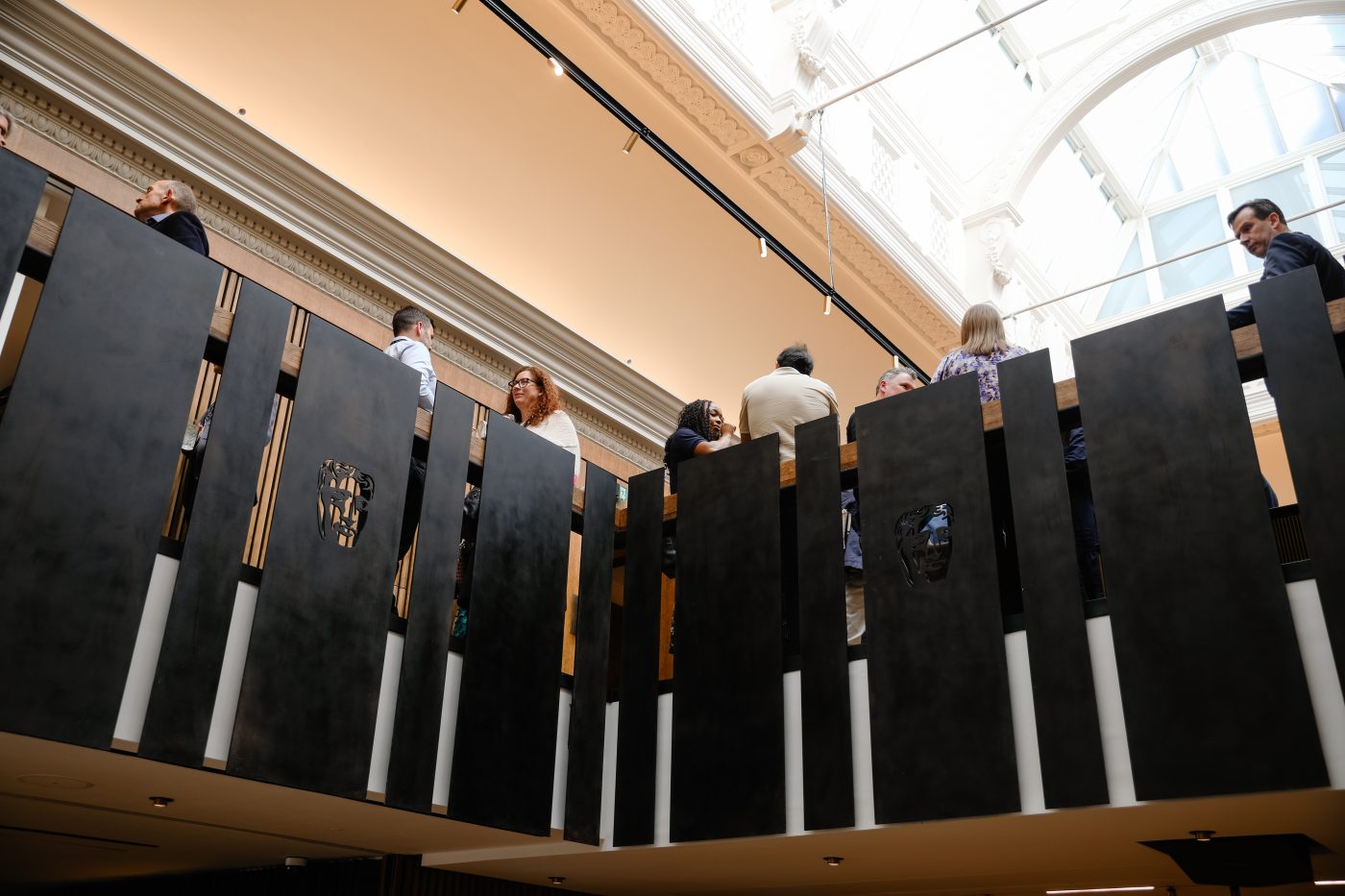
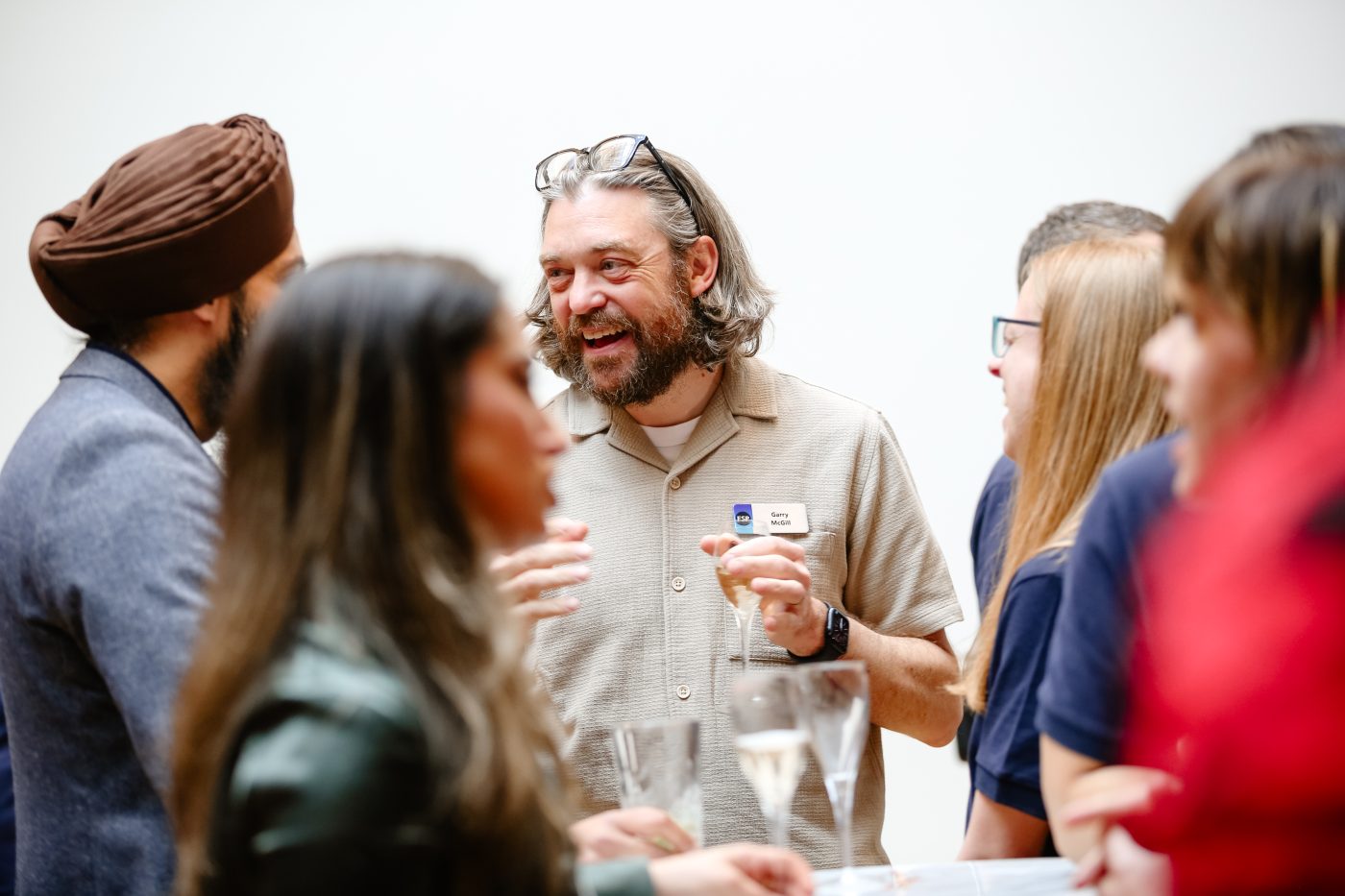
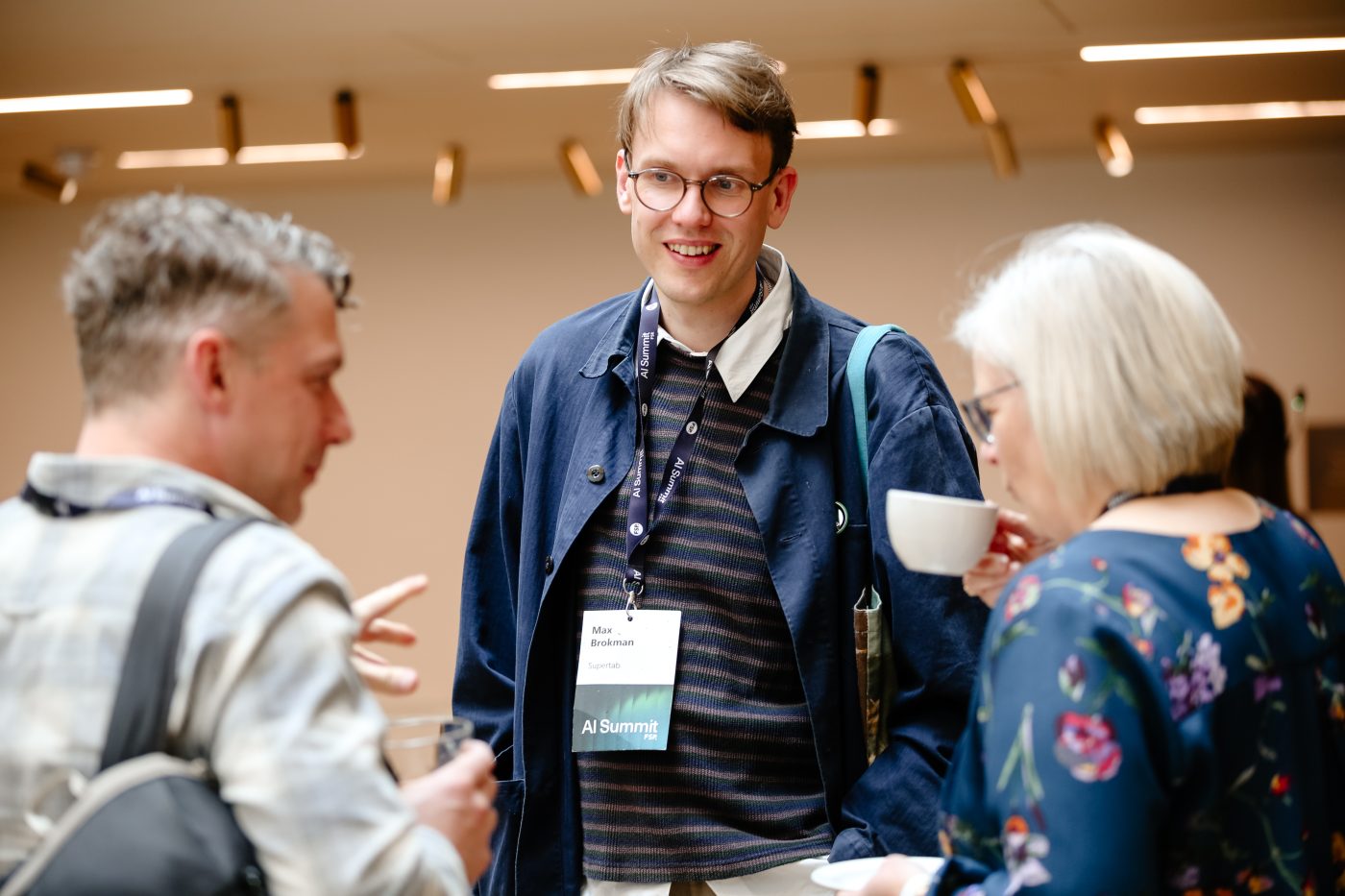
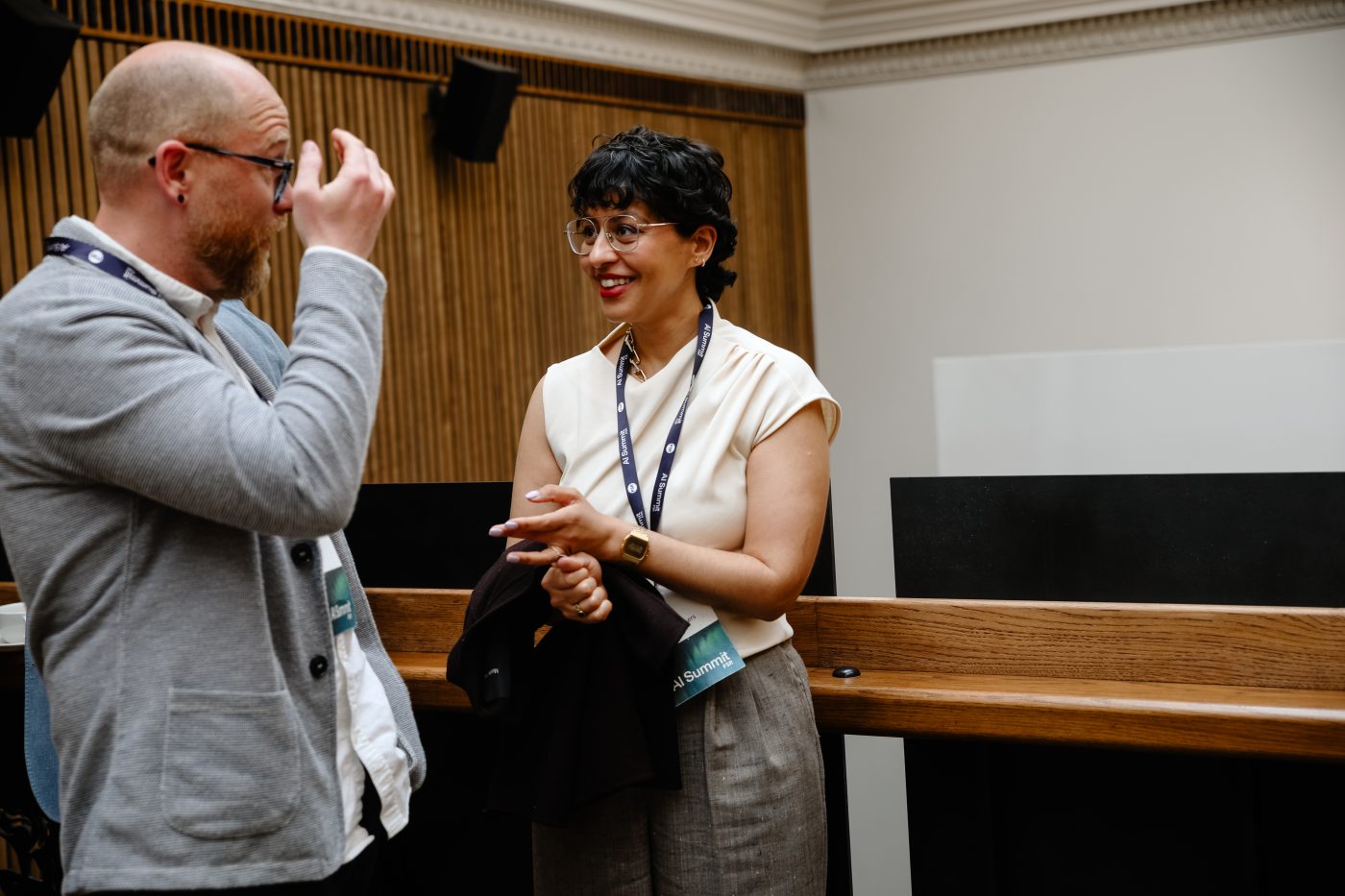
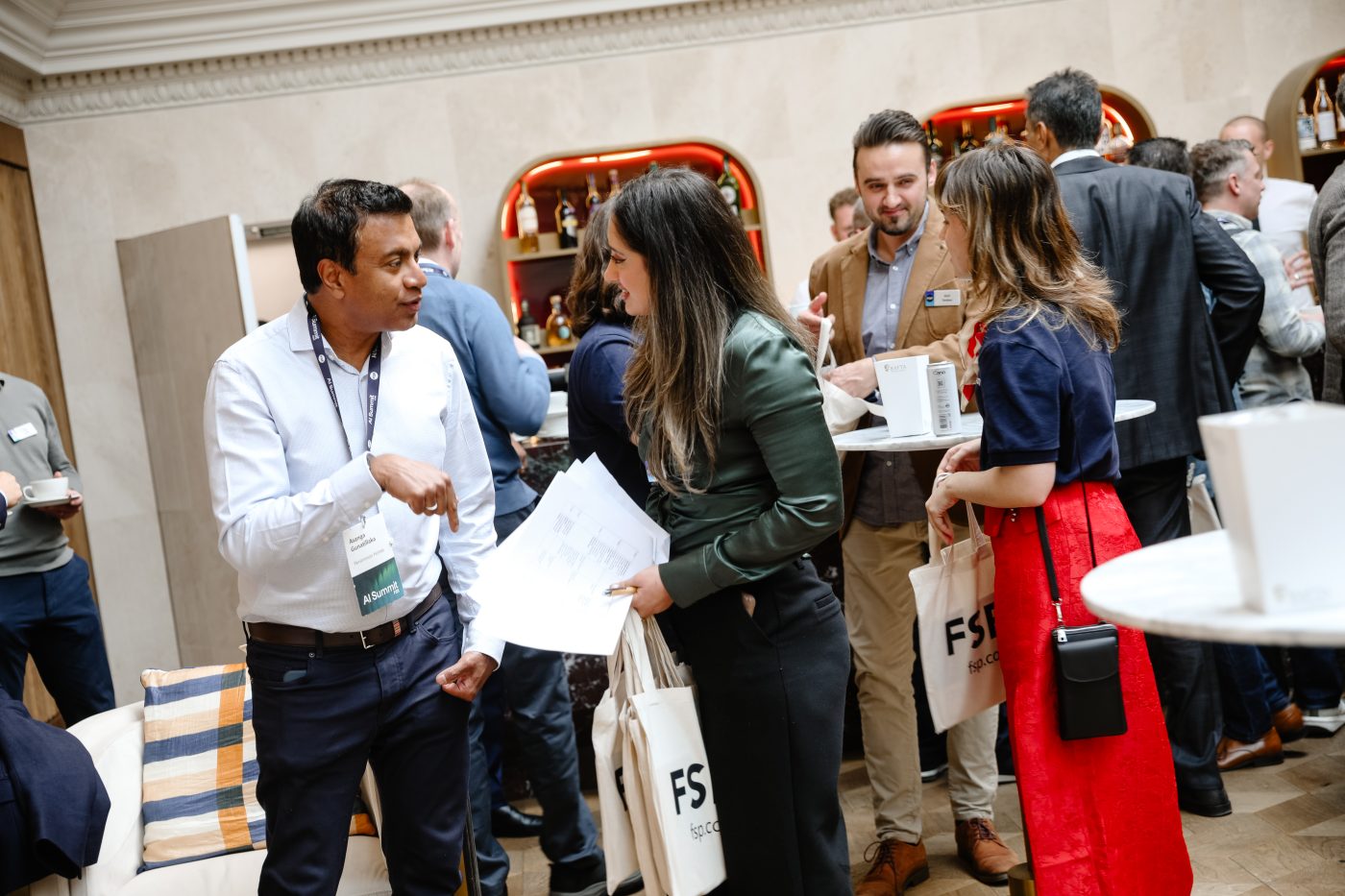
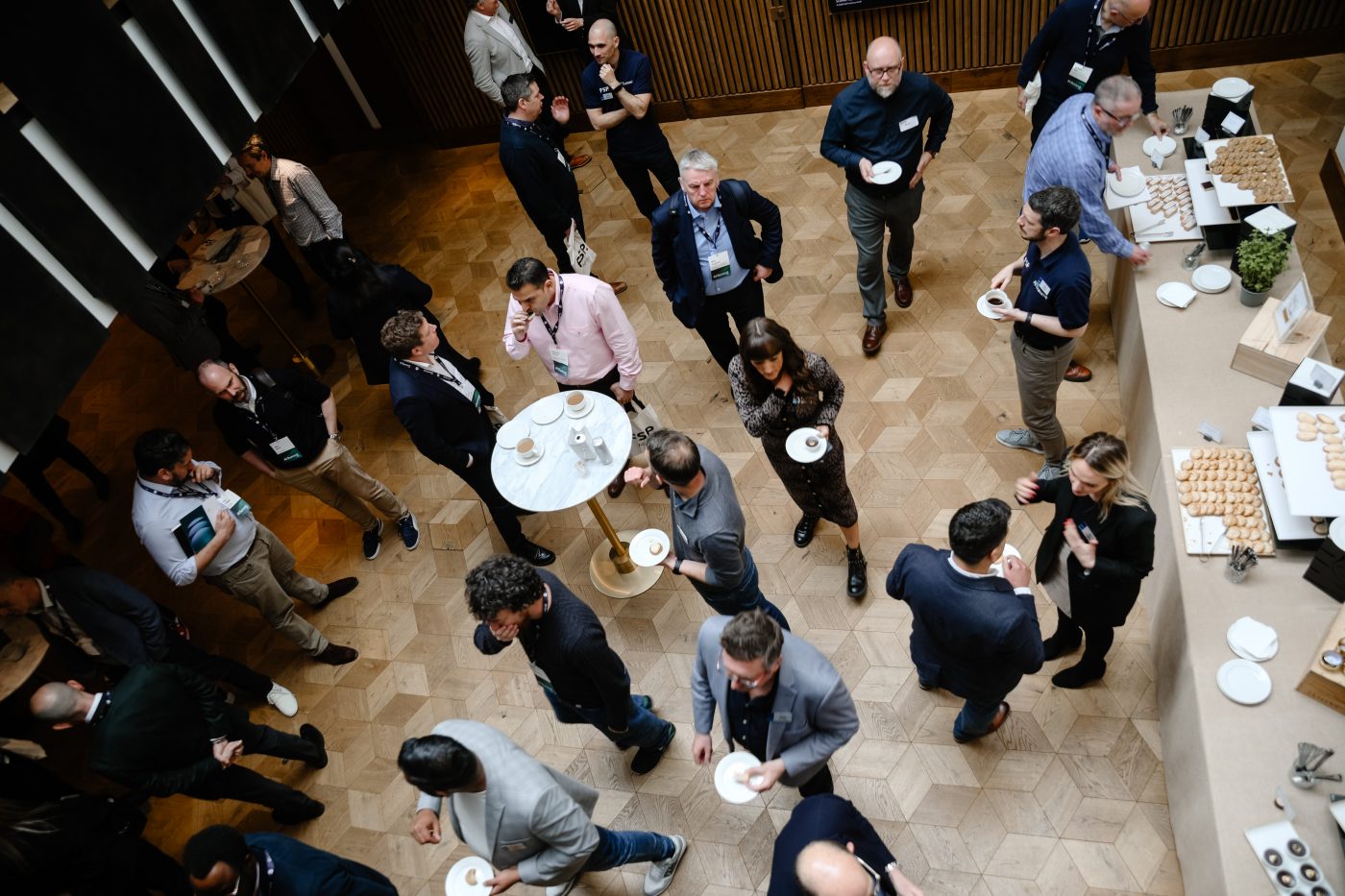
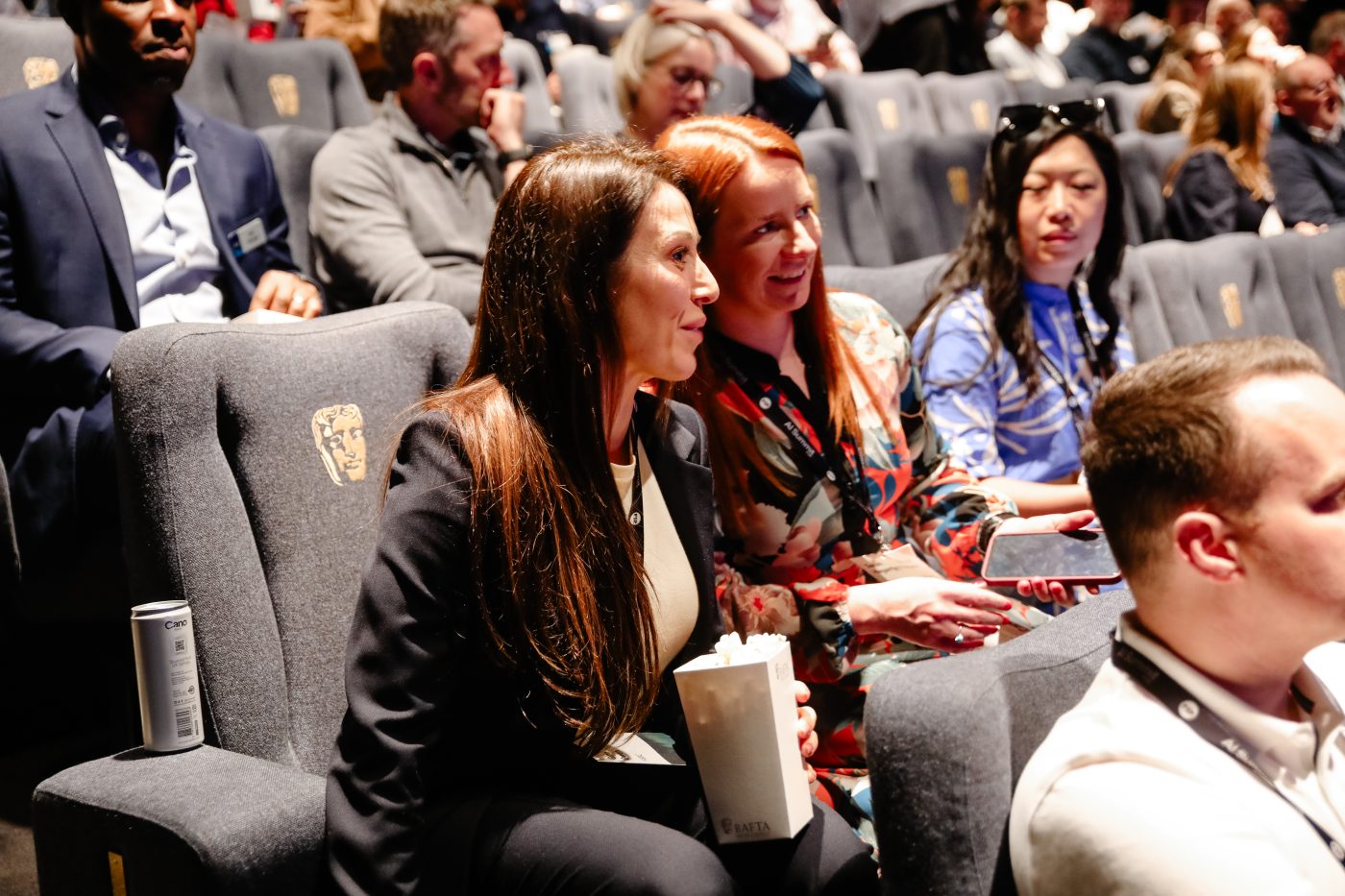
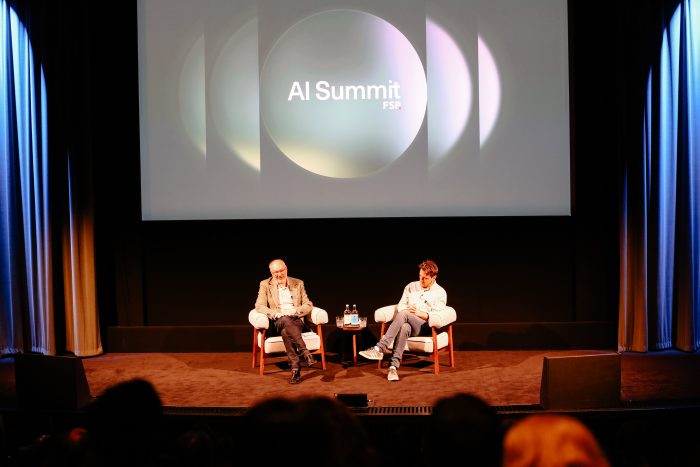
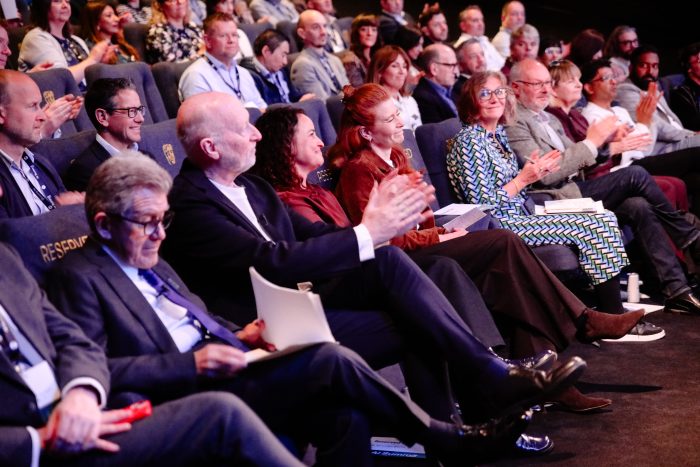
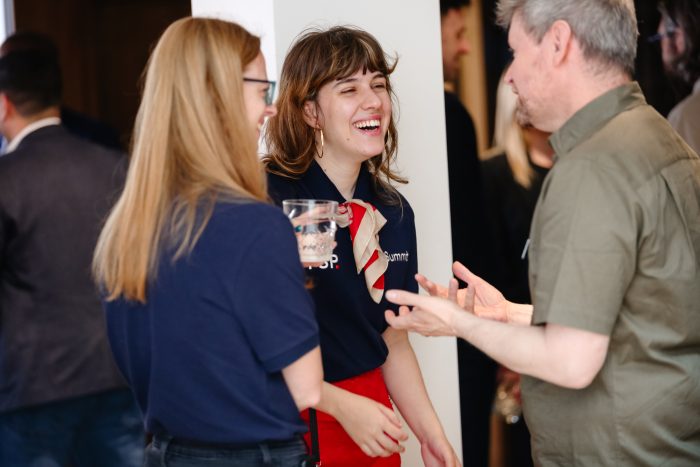
On April 23rd, we brought together senior leaders at BAFTA 195 Piccadilly to explore how to lead effectively as AI becomes embedded in decision-making. With AI already shaping outcomes, the focus was on leadership, managing risk, defining accountability, and building confidence in AI-driven environments, through practical, cross sector discussion.

Think big.
Start small.
Scale fast.
Think big.
Start small.
Scale fast.
Things you’ll find on this site
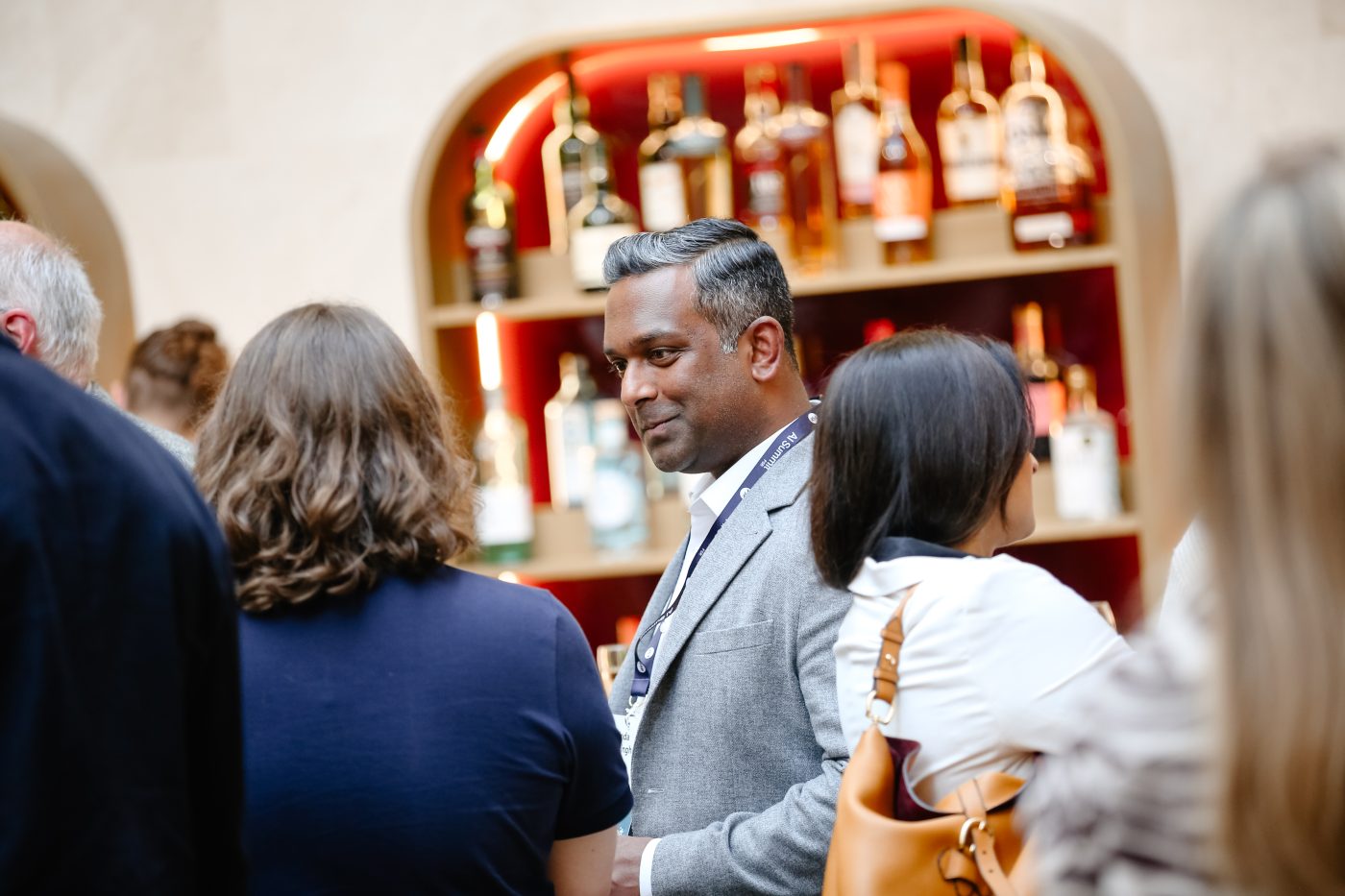
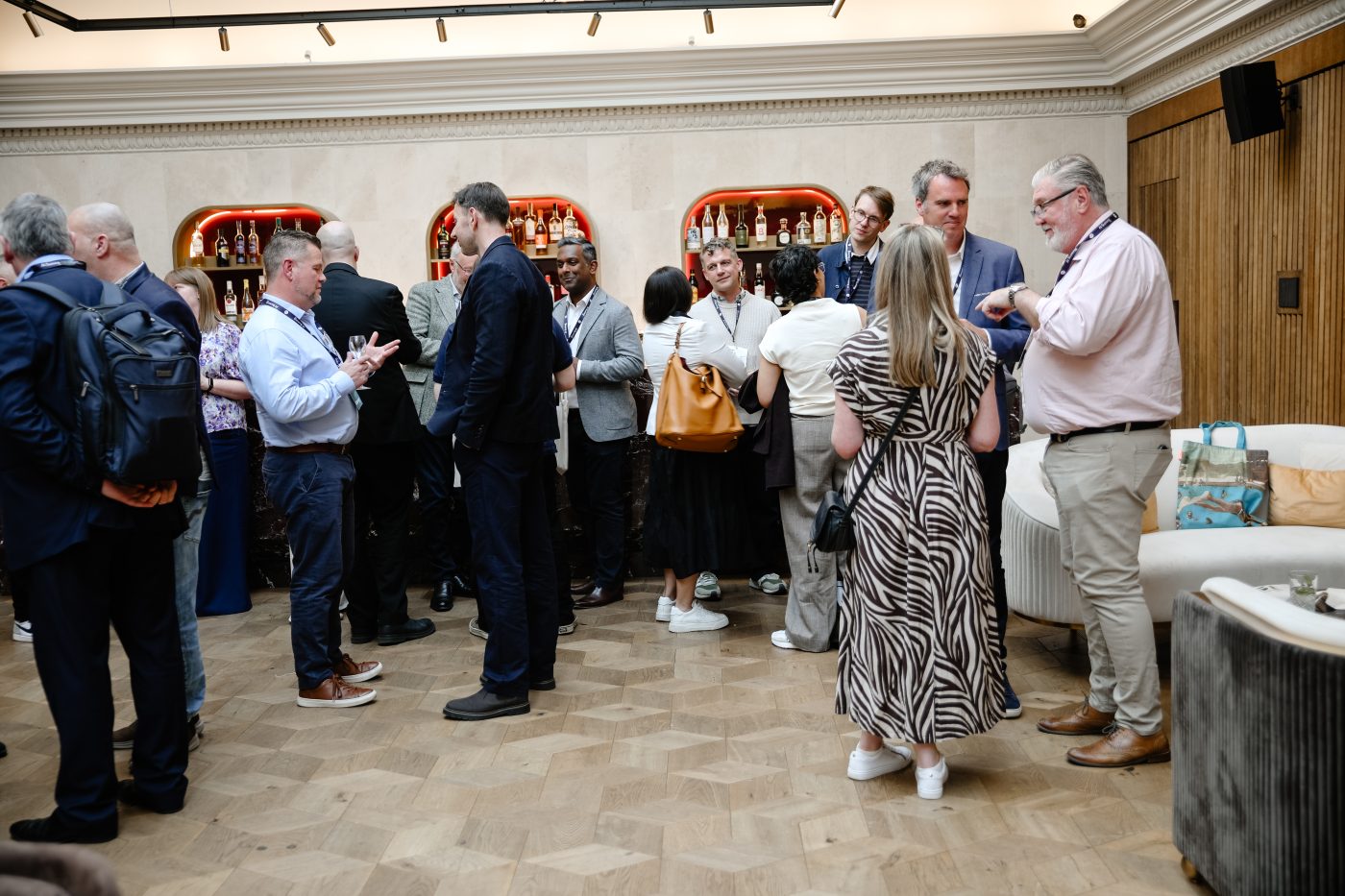
 Photos of the day
Session Insights
Speakers and Hosts
Alexander Devine Fund a Nurse Appeal
Request for feedback
Summit highlight videos (coming soon)
AI Summit Leadership Guide (coming soon)
Photos of the day
Session Insights
Speakers and Hosts
Alexander Devine Fund a Nurse Appeal
Request for feedback
Summit highlight videos (coming soon)
AI Summit Leadership Guide (coming soon)






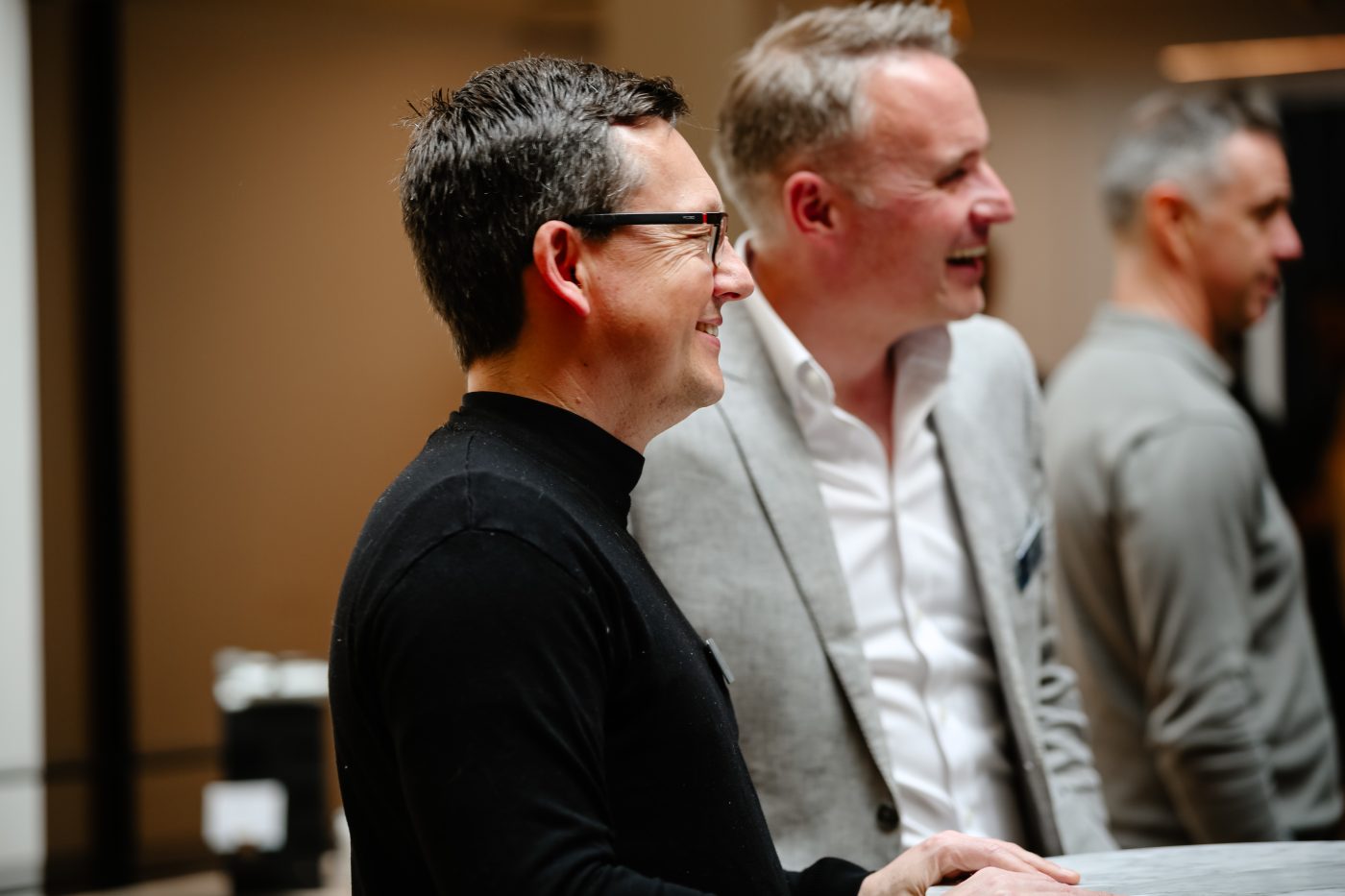
On Stage Themes
and Insights
Across all sessions, several themes stood out:
From Experimentation to Execution – AI is already embedded in organisations. The challenge is now scaling it.
AI as a Leadership Challenge – AI is shaping decisions, but accountability remains with leaders.
Trust, Risk and the Changing Landscape – AI is transforming cyber risk and how trust operates within organisations.
Beyond Efficiency – The biggest opportunity lies in new forms of value creation.
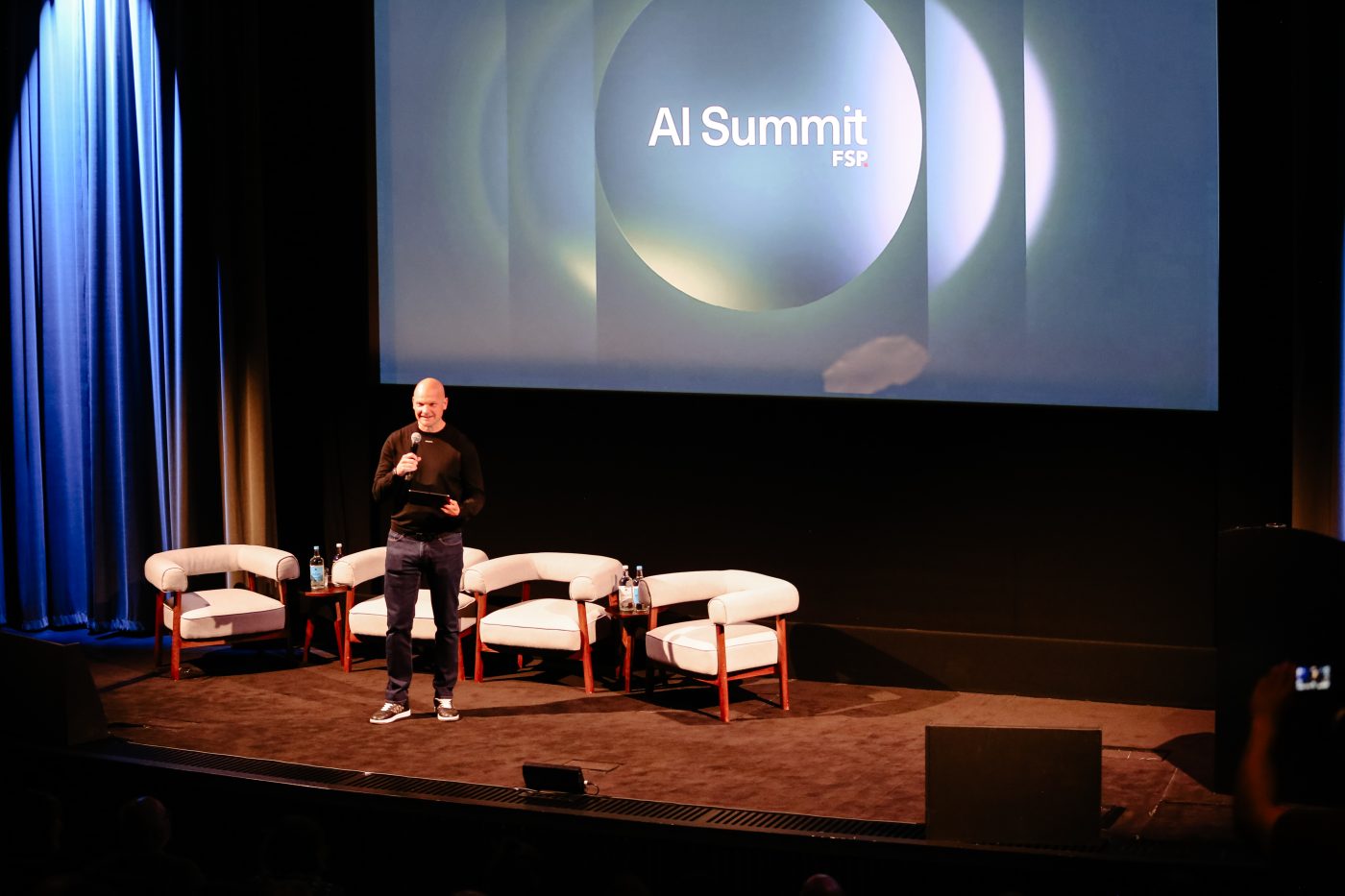
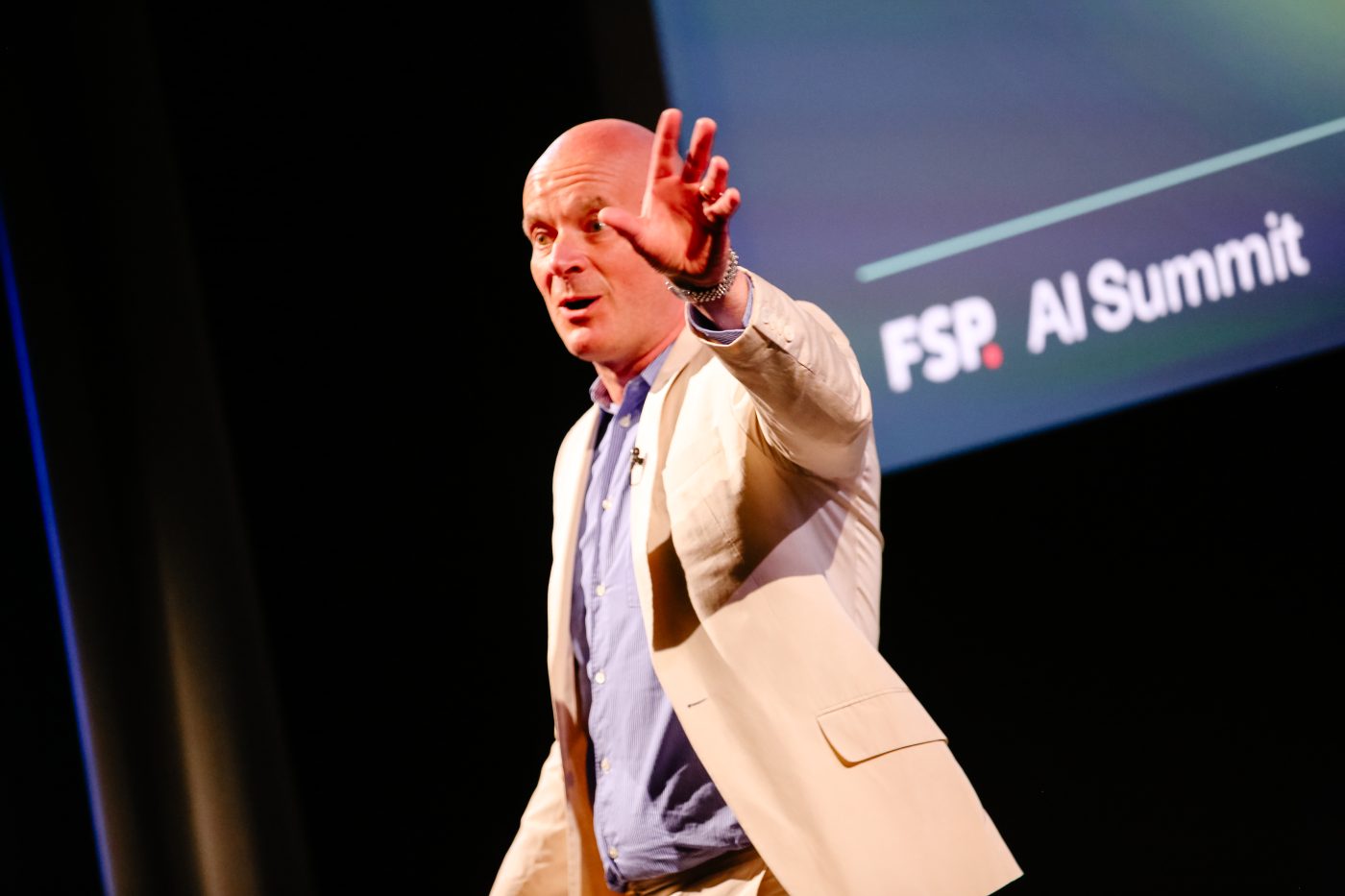
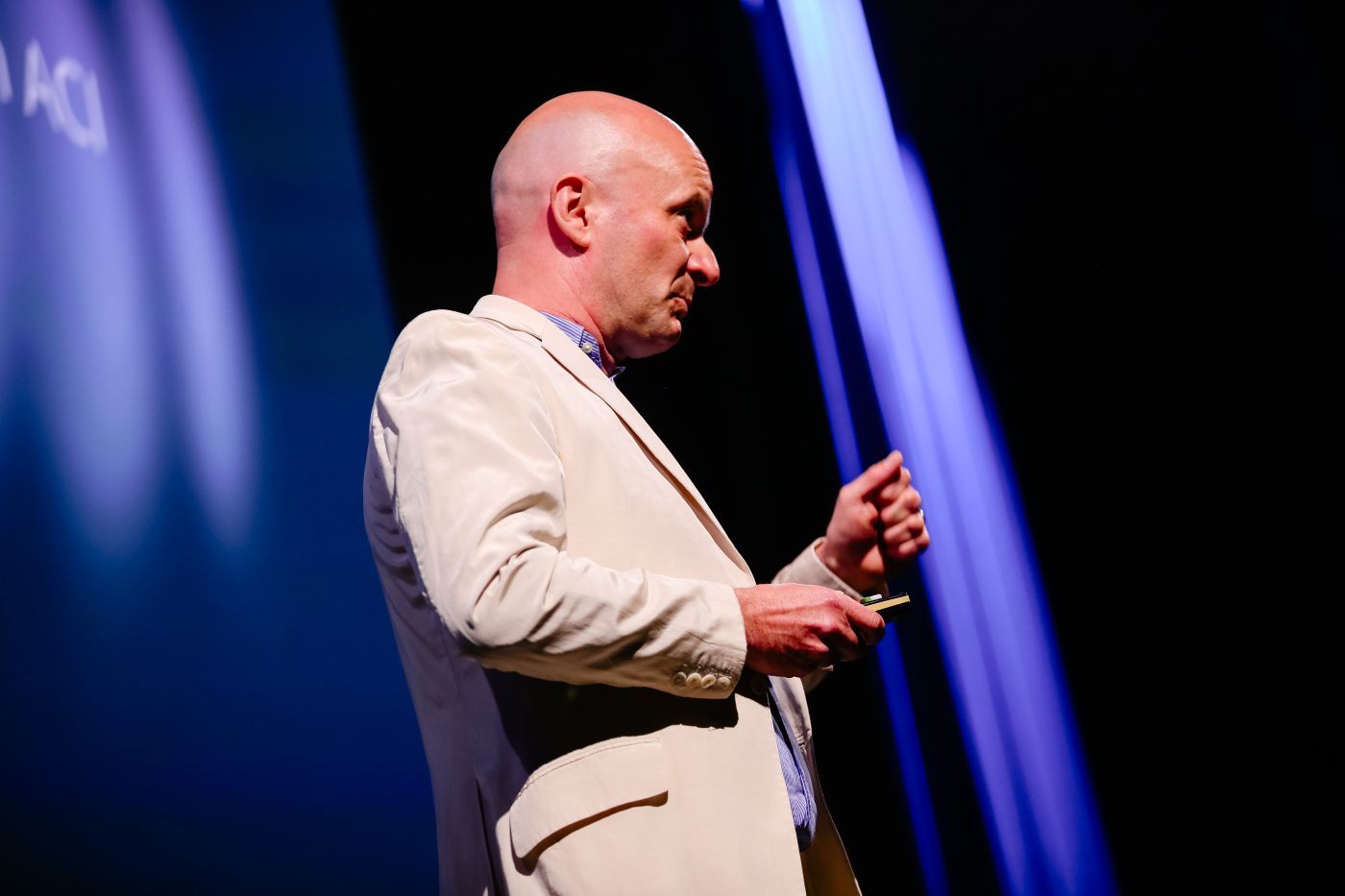
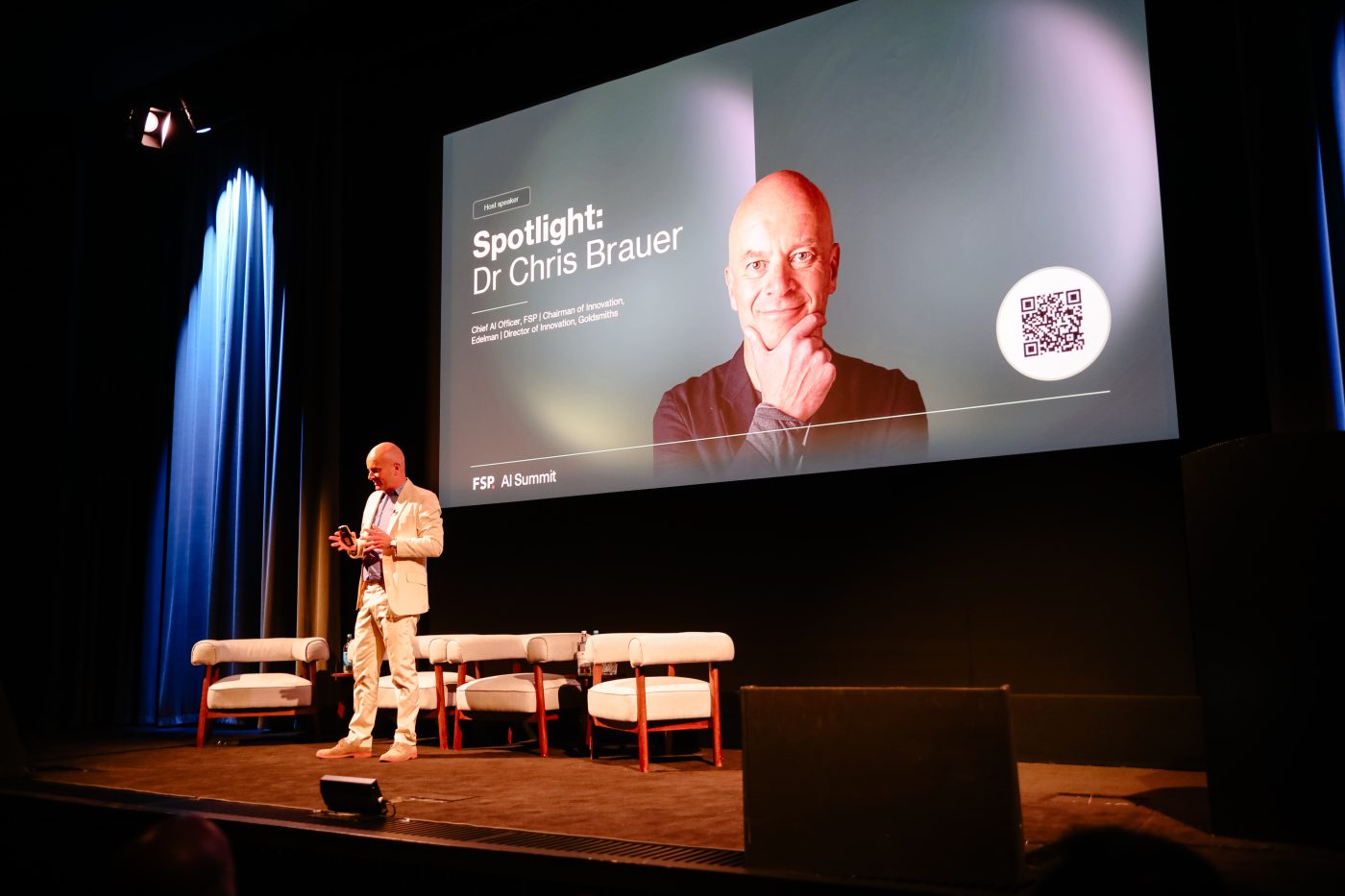
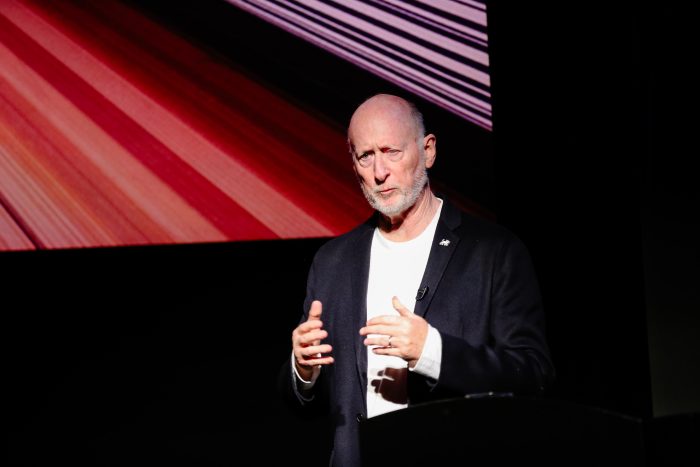
Chris opened the summit by framing AI as an immediate leadership challenge. He described the emergence of the “Age of Intelligence,” where AI is already shaping decisions today. A key theme was that AI is in an “awkward teenage phase”, rapidly evolving, highly capable, but still not fully understood.As a result, organisations are deploying AI while still learning how to govern and control it.
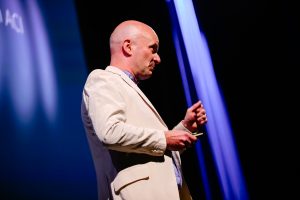
Sir William explored how AI can be directed to create value, rather than simply generate output. He reframed content as data, structured, reusable, and scalable, unlocking new opportunities for organisations to extend value across products and services. The real opportunity lies in how AI is applied, not just what it produces.
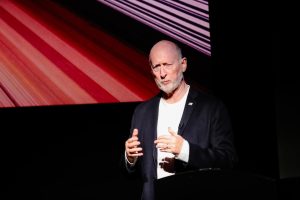
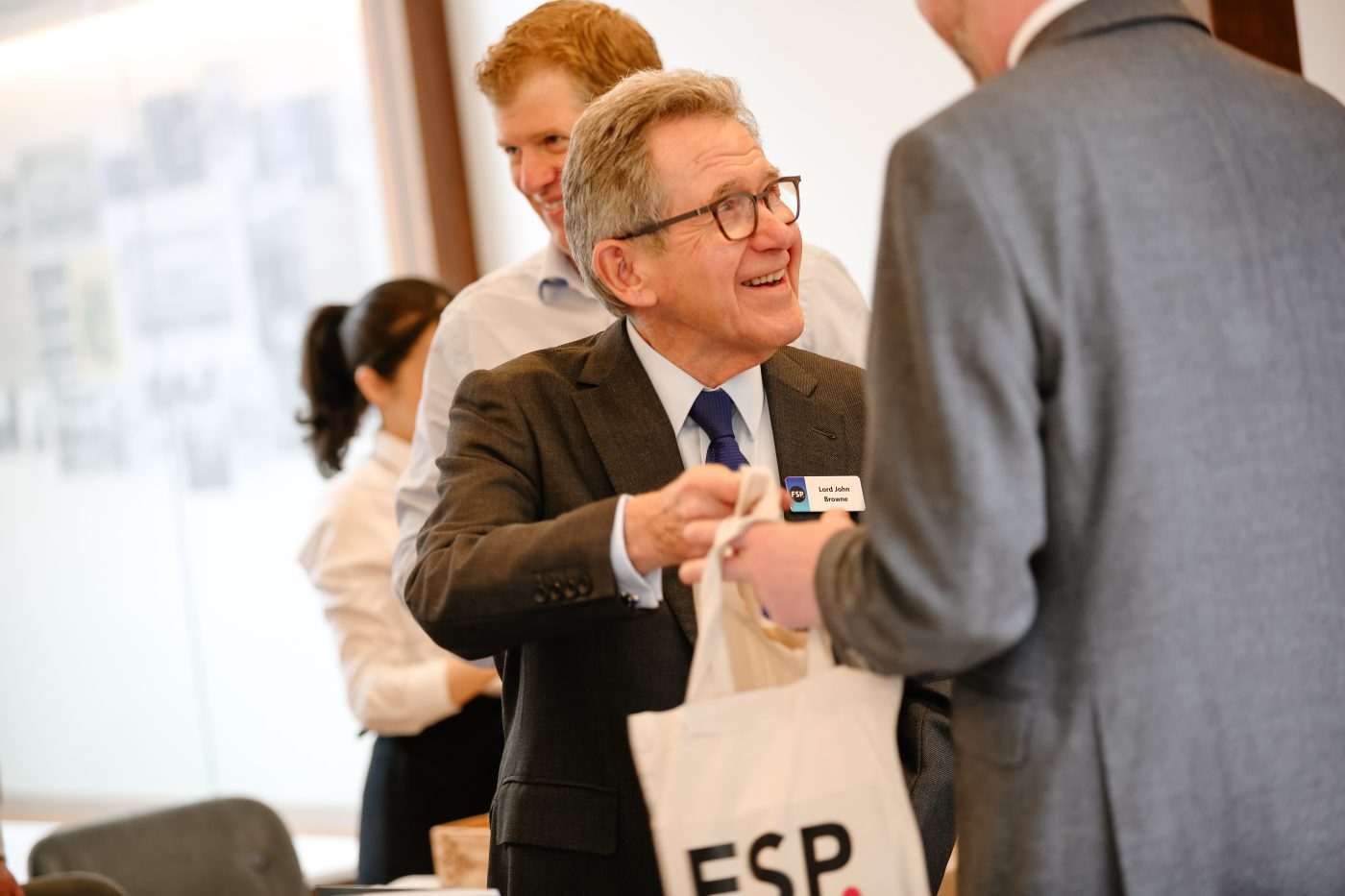
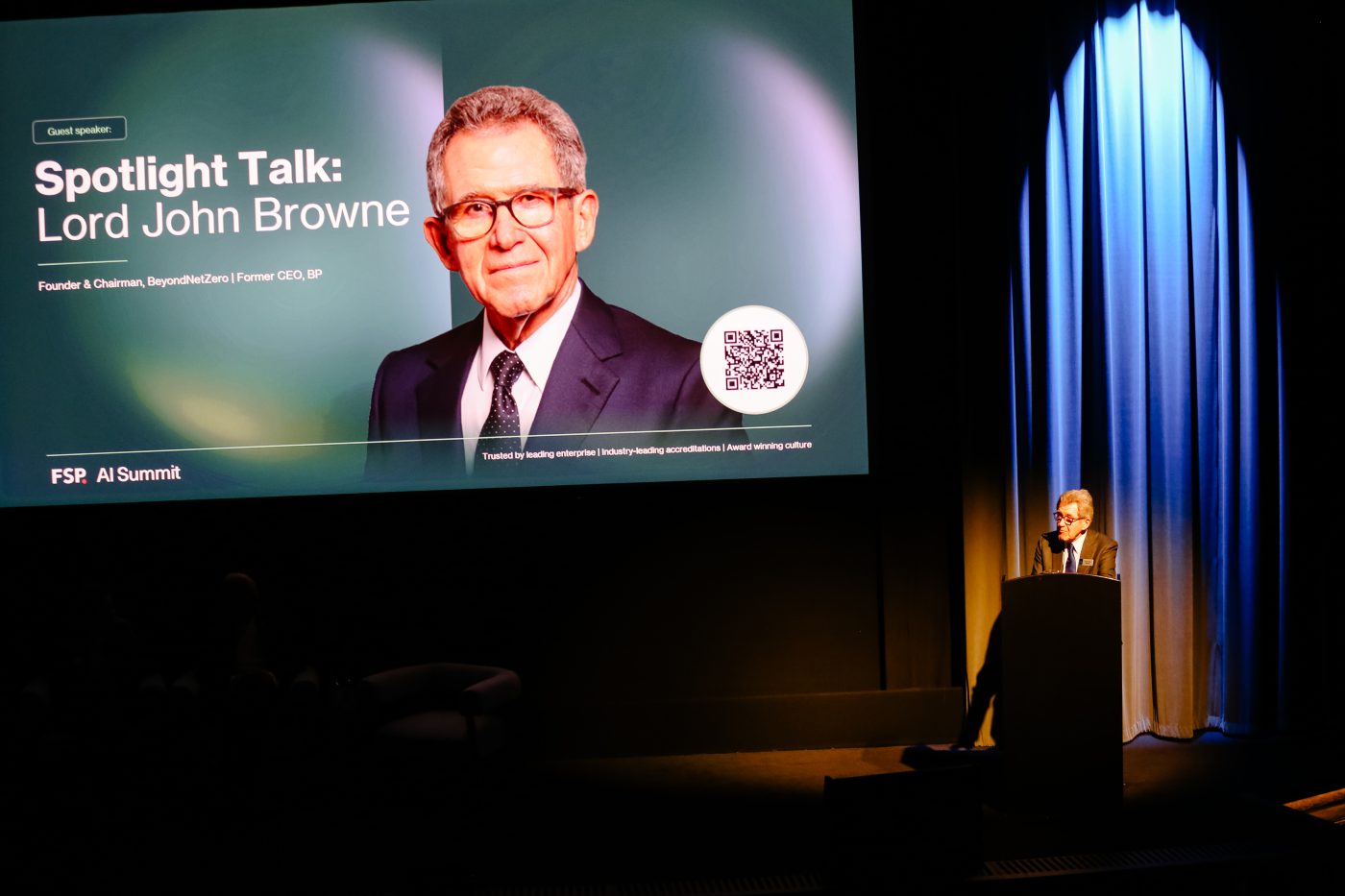
Lord Browne provided a system-level view of AI, highlighting its role in transforming infrastructure, energy systems, and scientific discovery. While AI is increasing demand on resources, it is also enabling new levels of optimisation and innovation. AI is not just improving systems, it is redefining them.
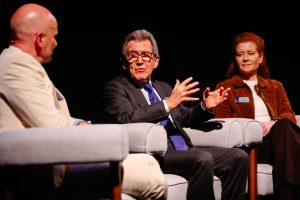
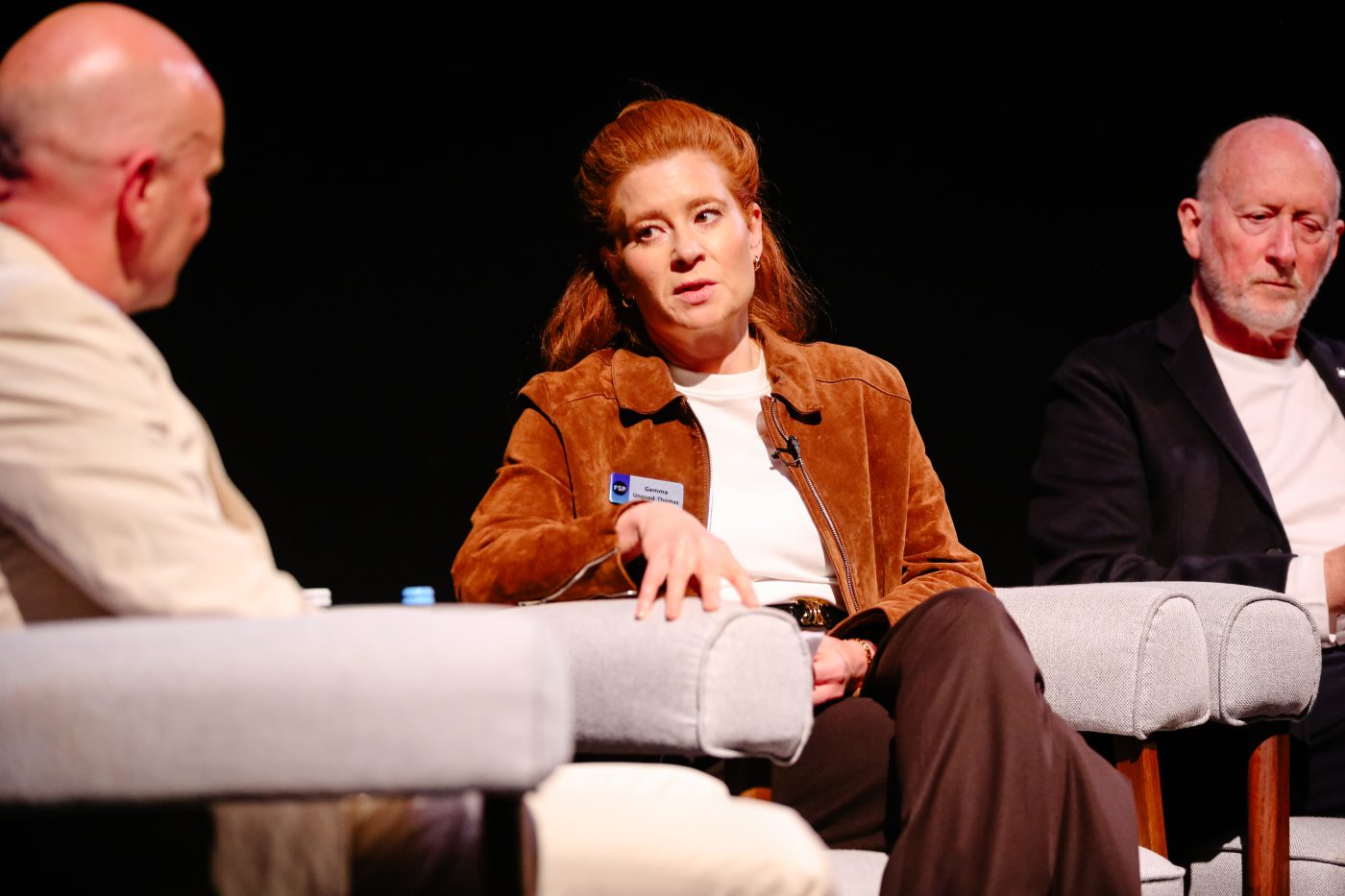
Gemma provided a national security perspective on how AI is reshaping the threat landscape. AI is lowering the barrier to entry for attackers, while synthetic environments, including deepfakes and AI-generated interactions are making it harder to distinguish what is real. Trust can no longer be assumed, it must be verified.
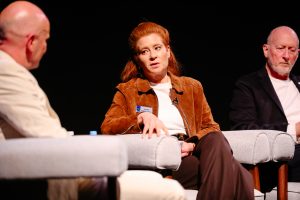
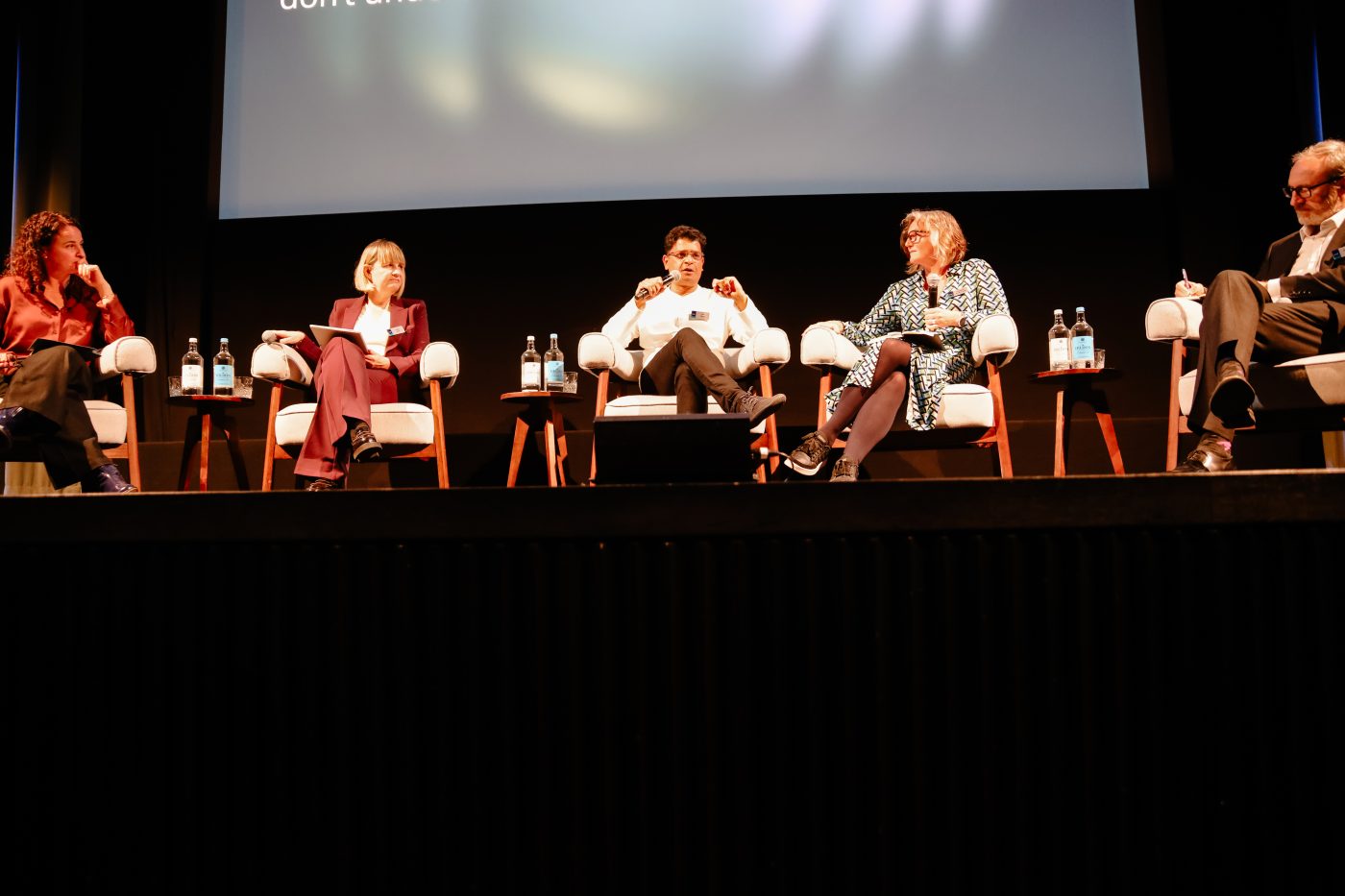
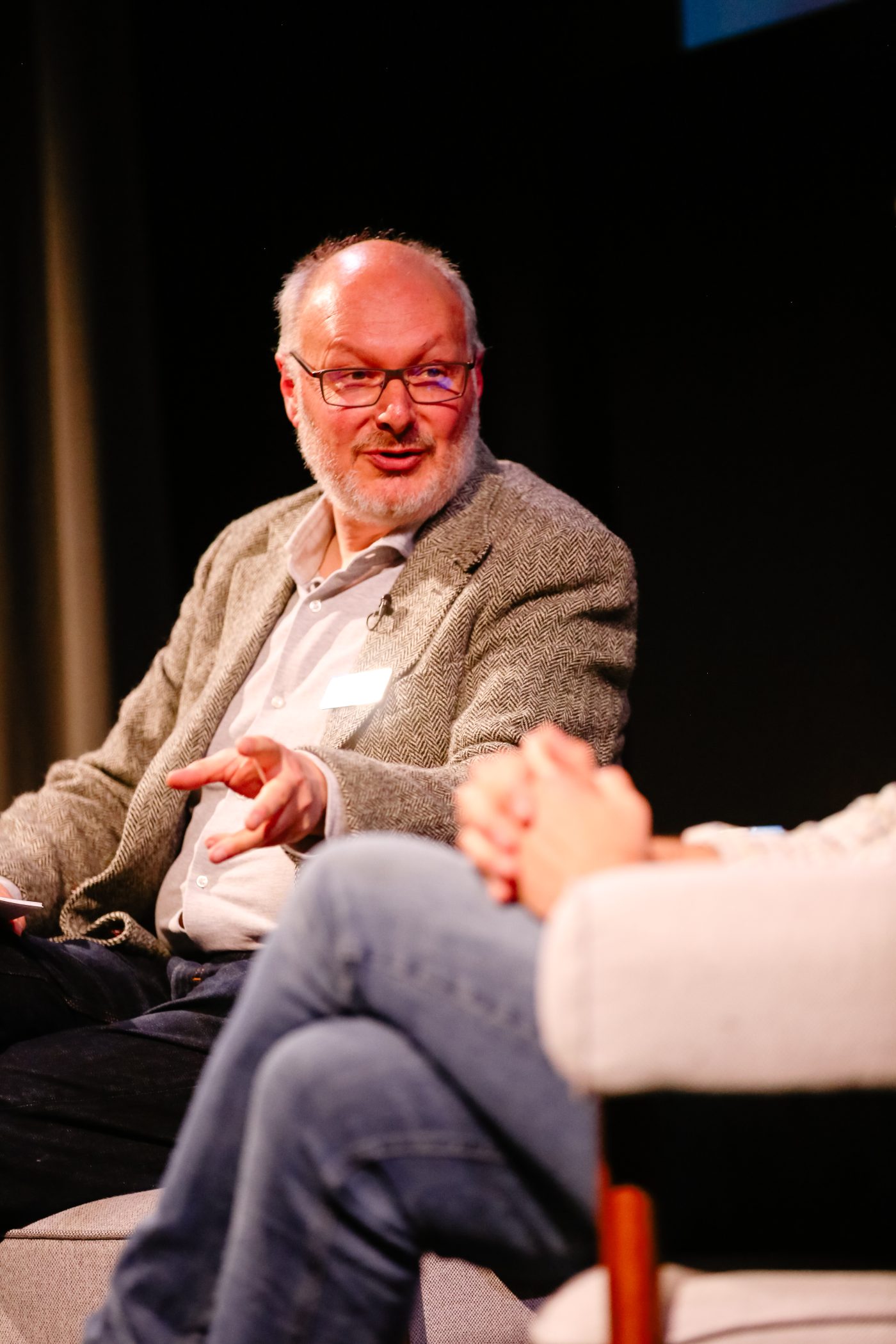
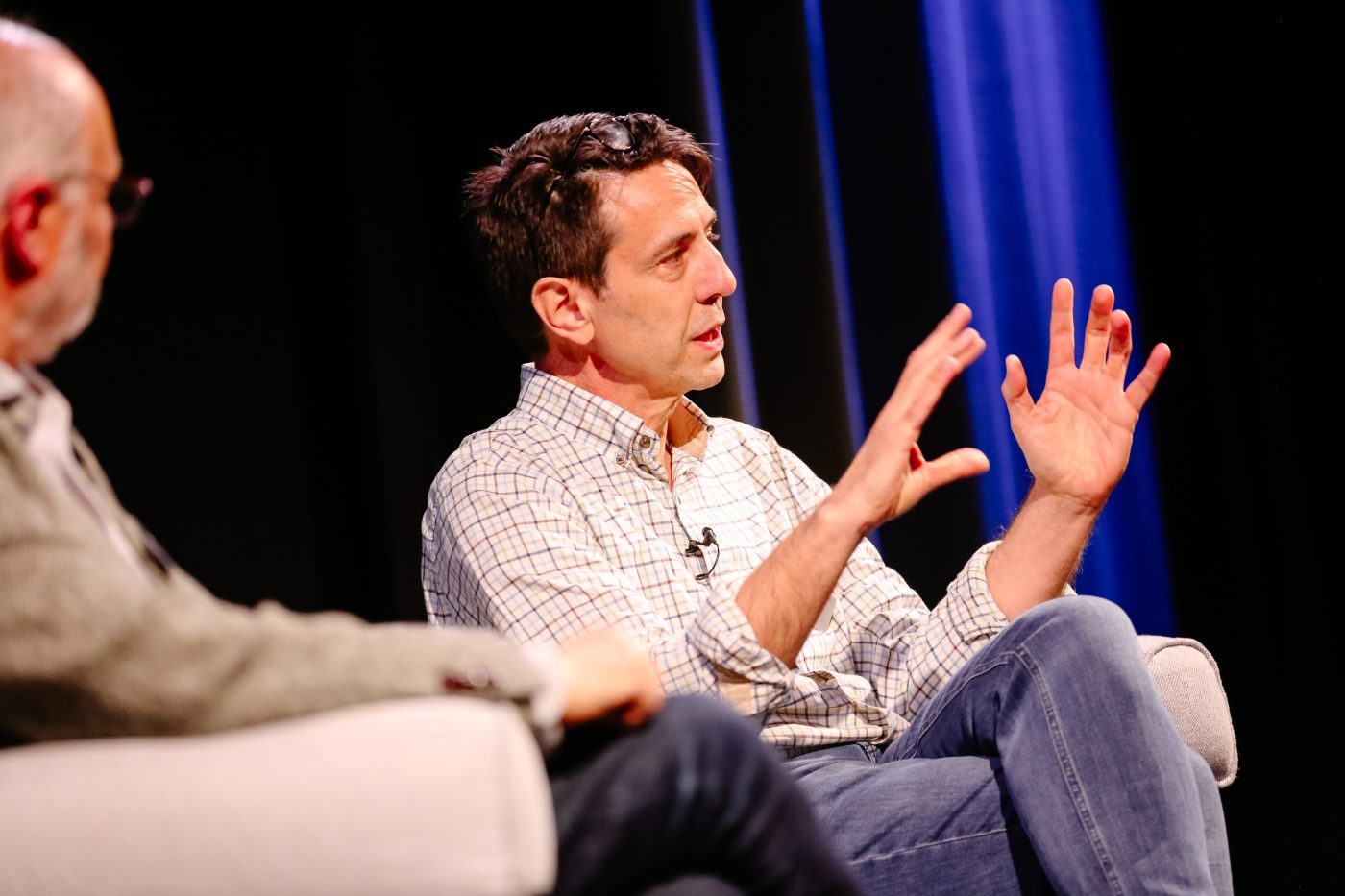
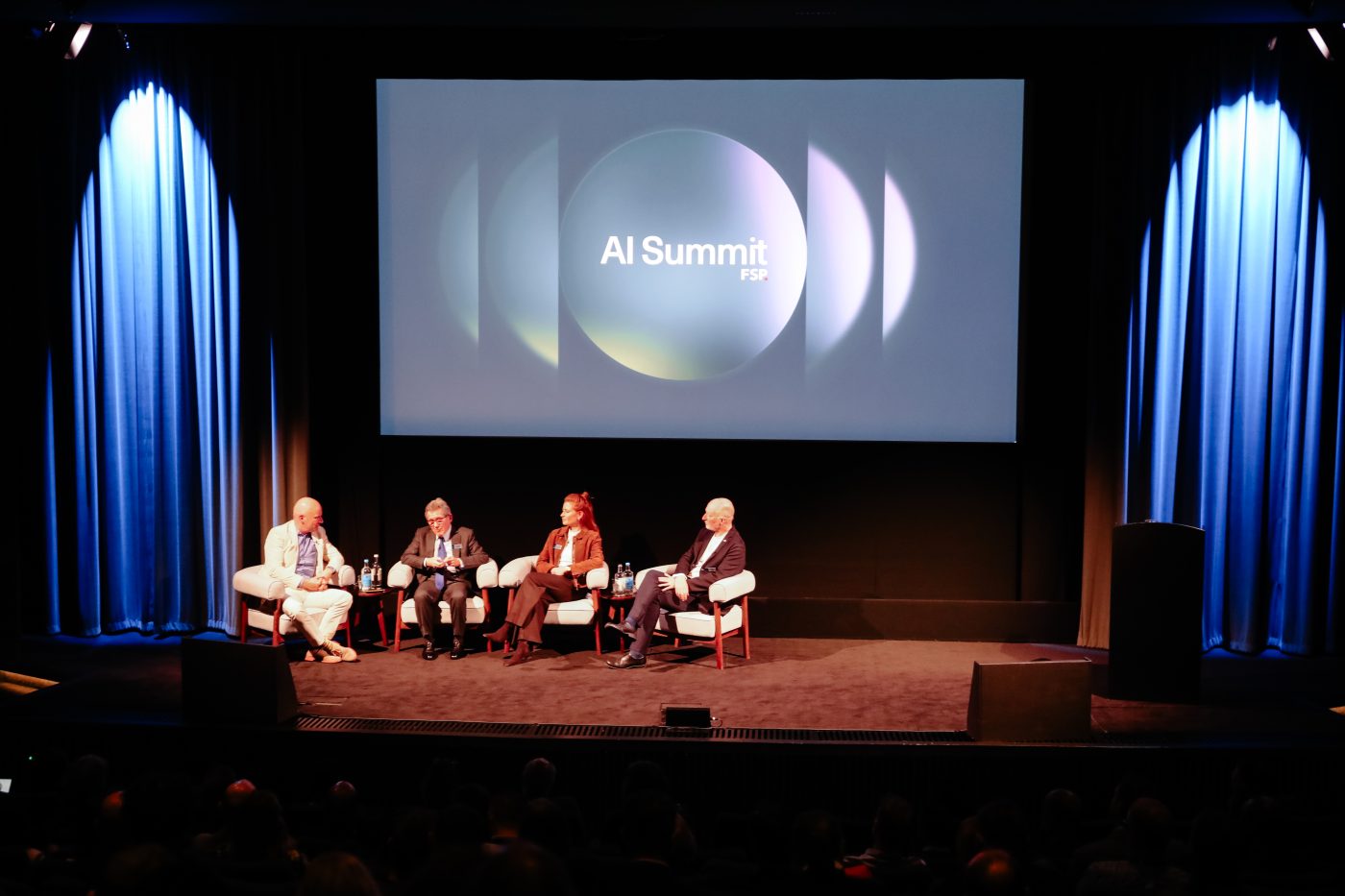
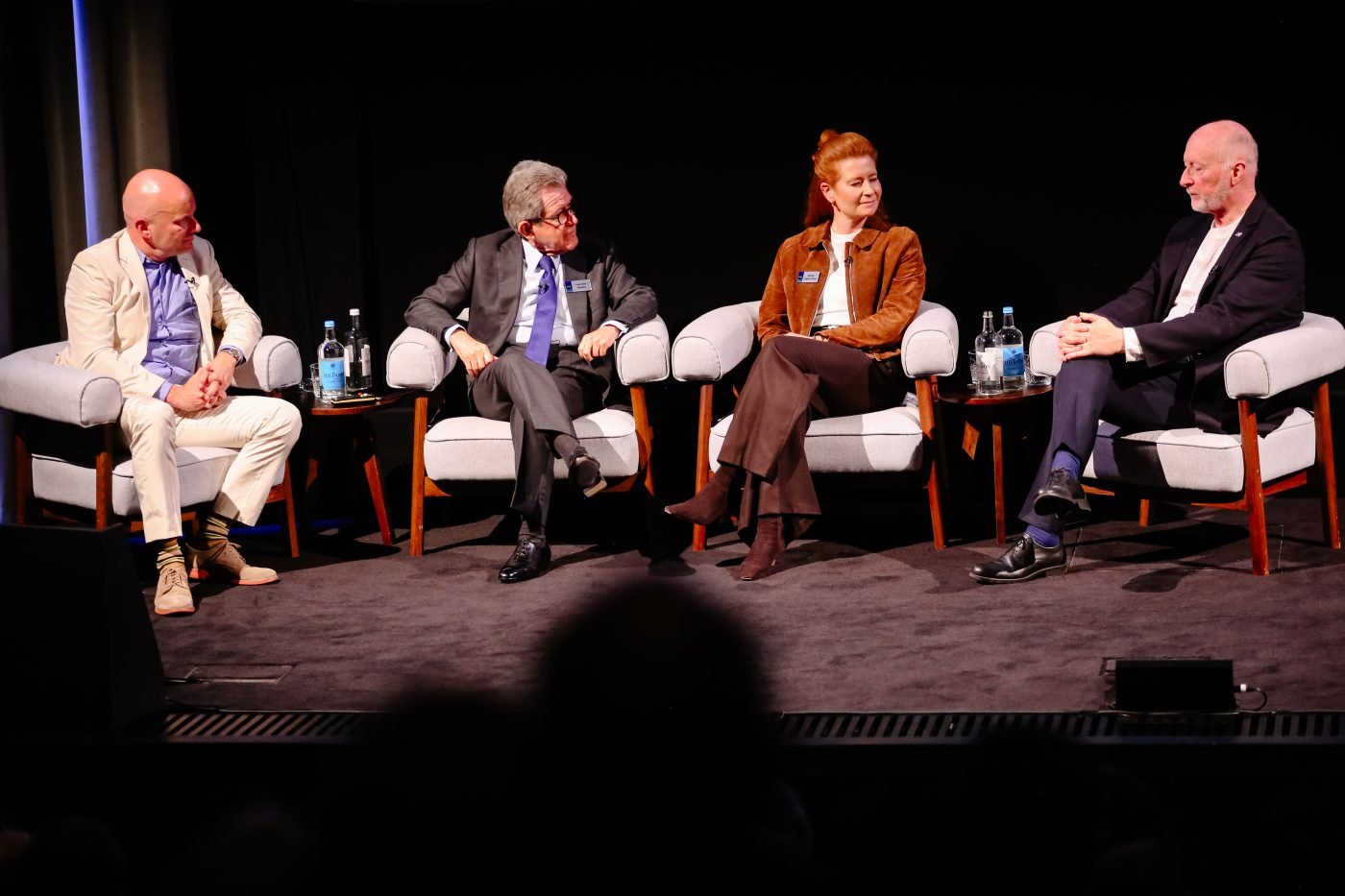
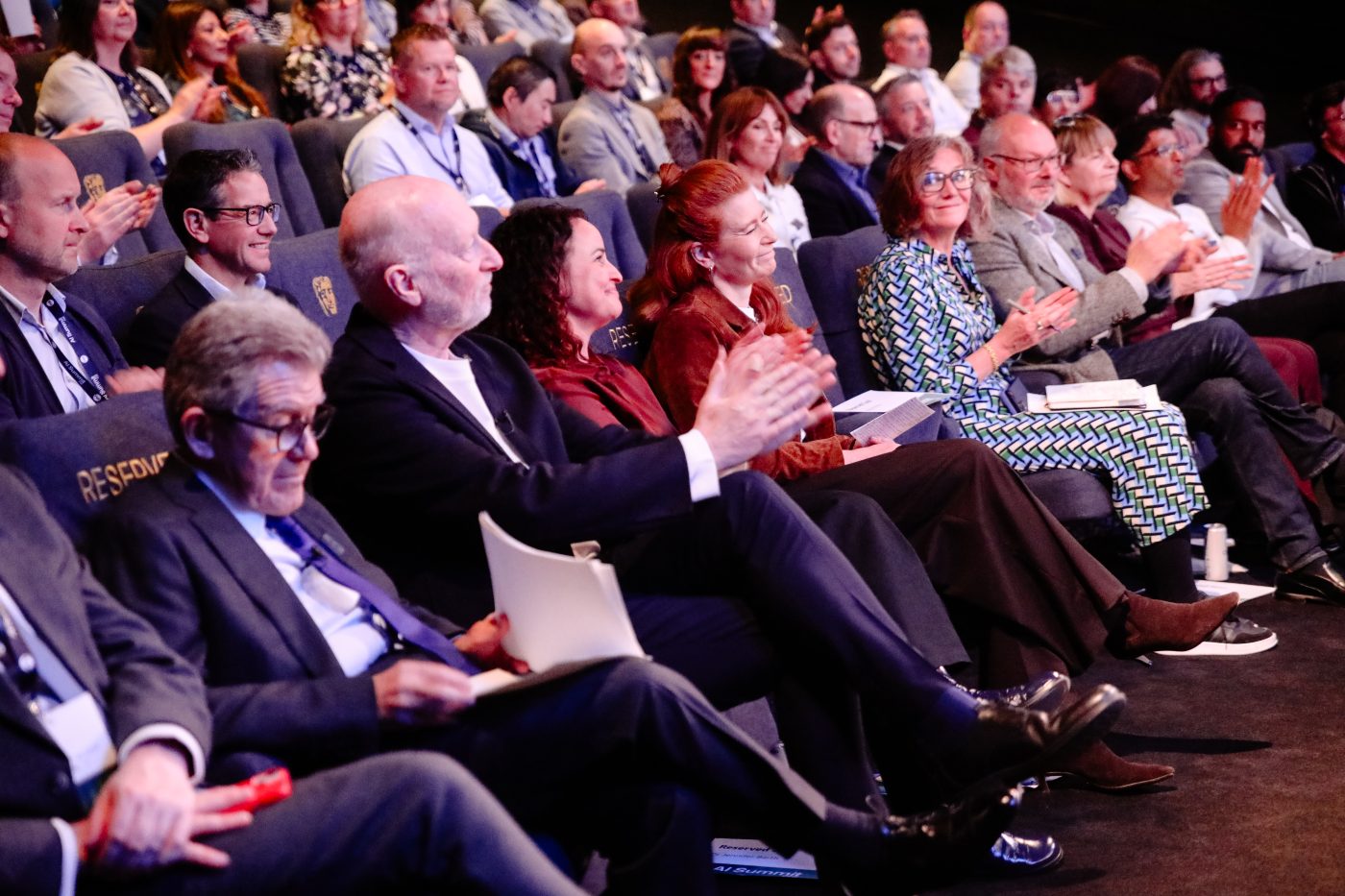
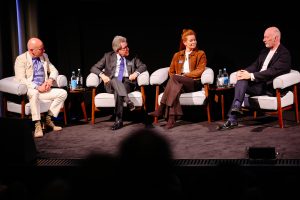
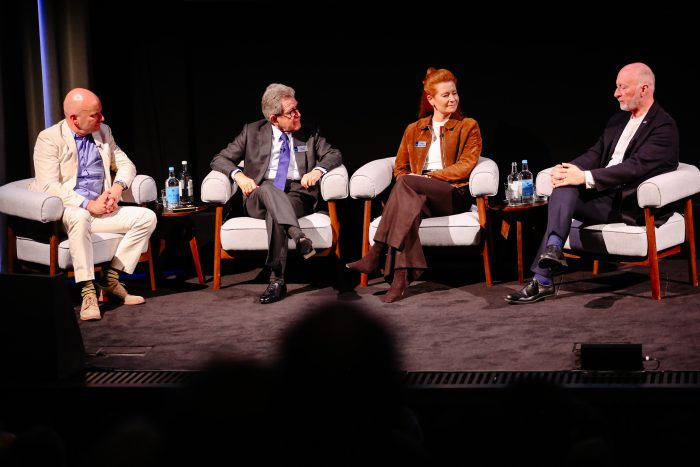
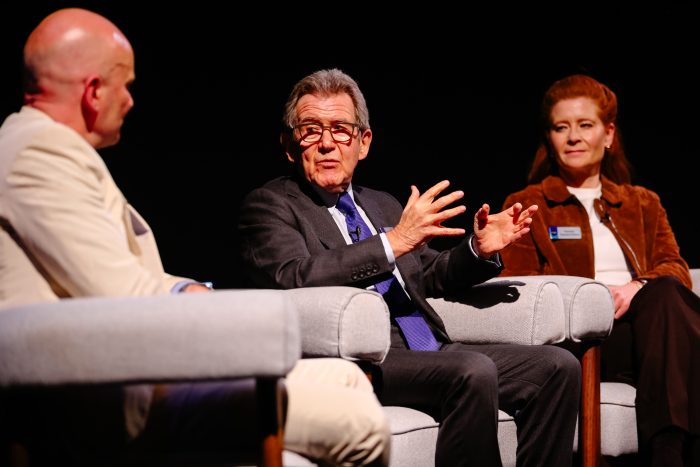
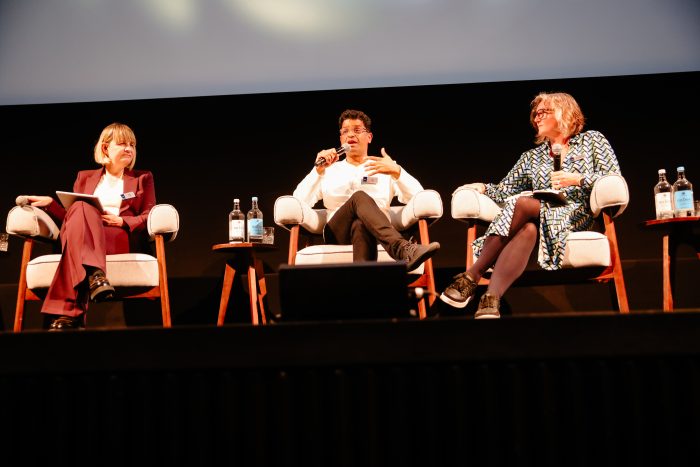
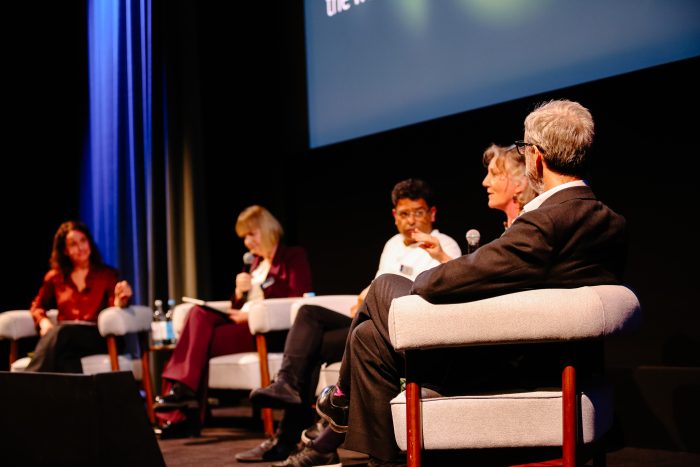
The first panel hosted by Dr Chris Brauer and guests Sir William Sargent, Gemma Ungoed Thomas and Lord John Browne, shared perspectives on leadership, innovation and risk. A key theme was the increasing complexity organisations are operating within where AI is accelerating both opportunity and exposure.
This session focused on one of the most common challenges organisations face: scaling AI.
While many organisations have successfully piloted AI, far fewer have translated this into enterprise value. The challenge is not starting with AI, it is scaling it effectively.
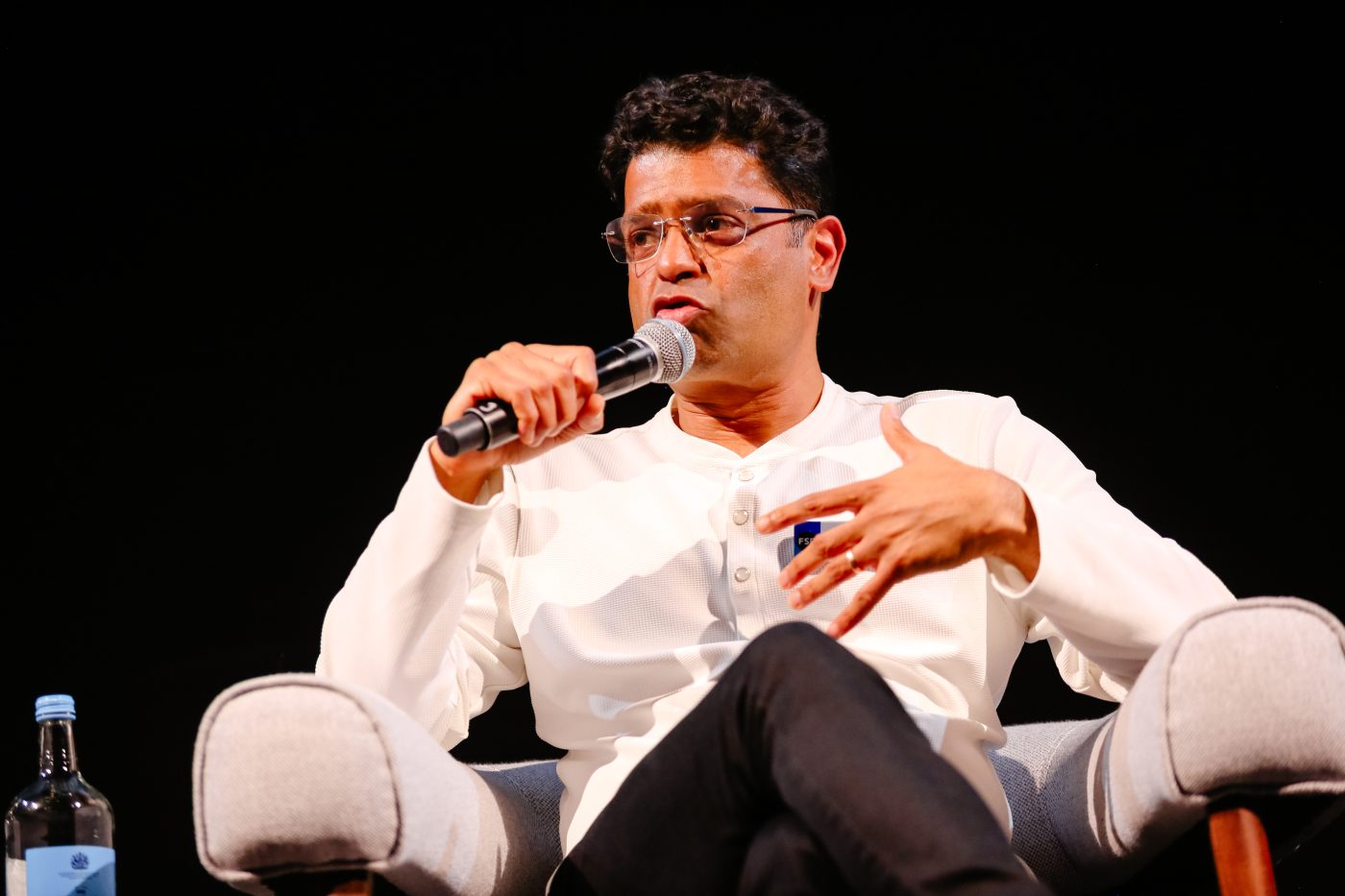
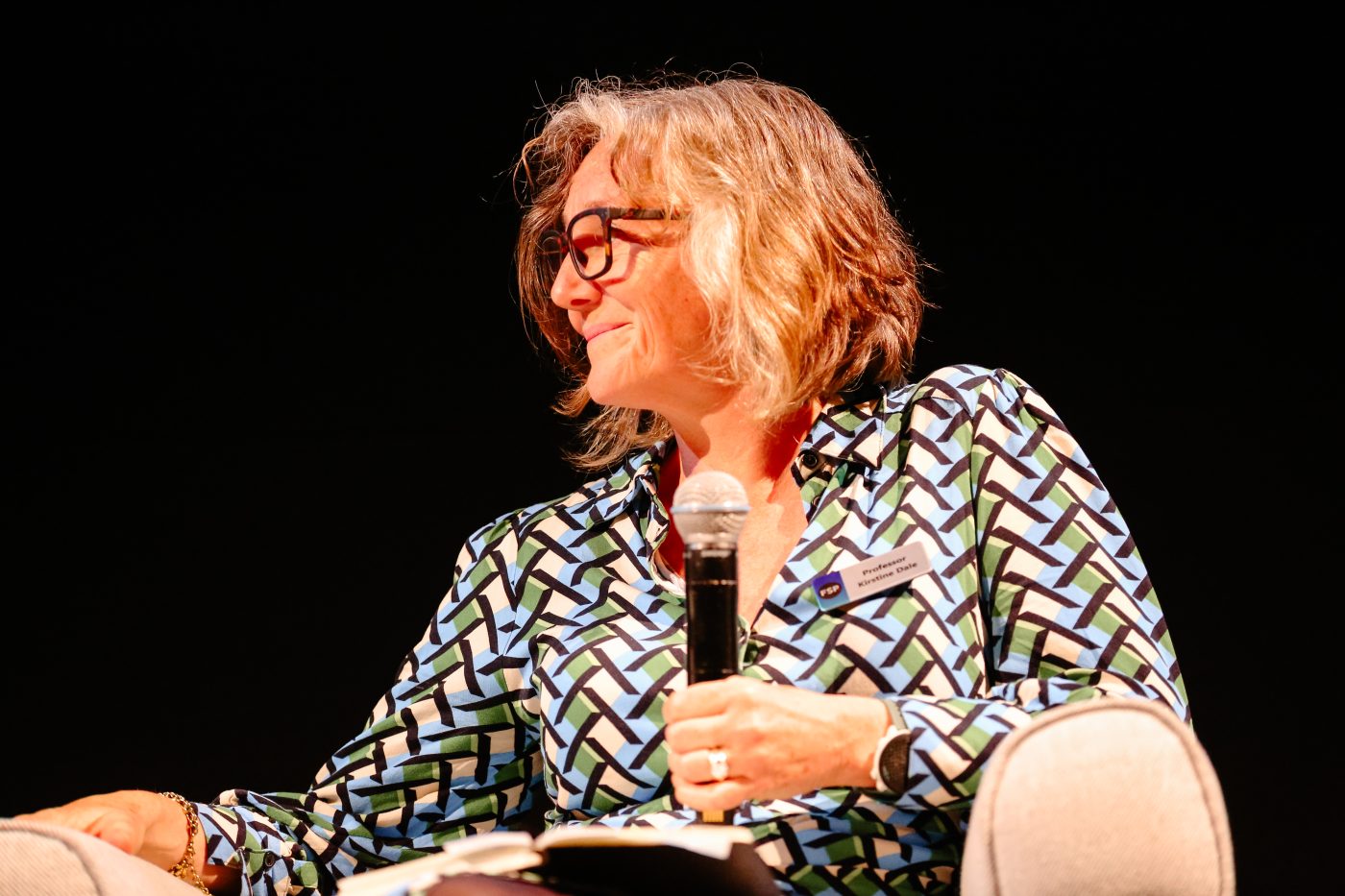
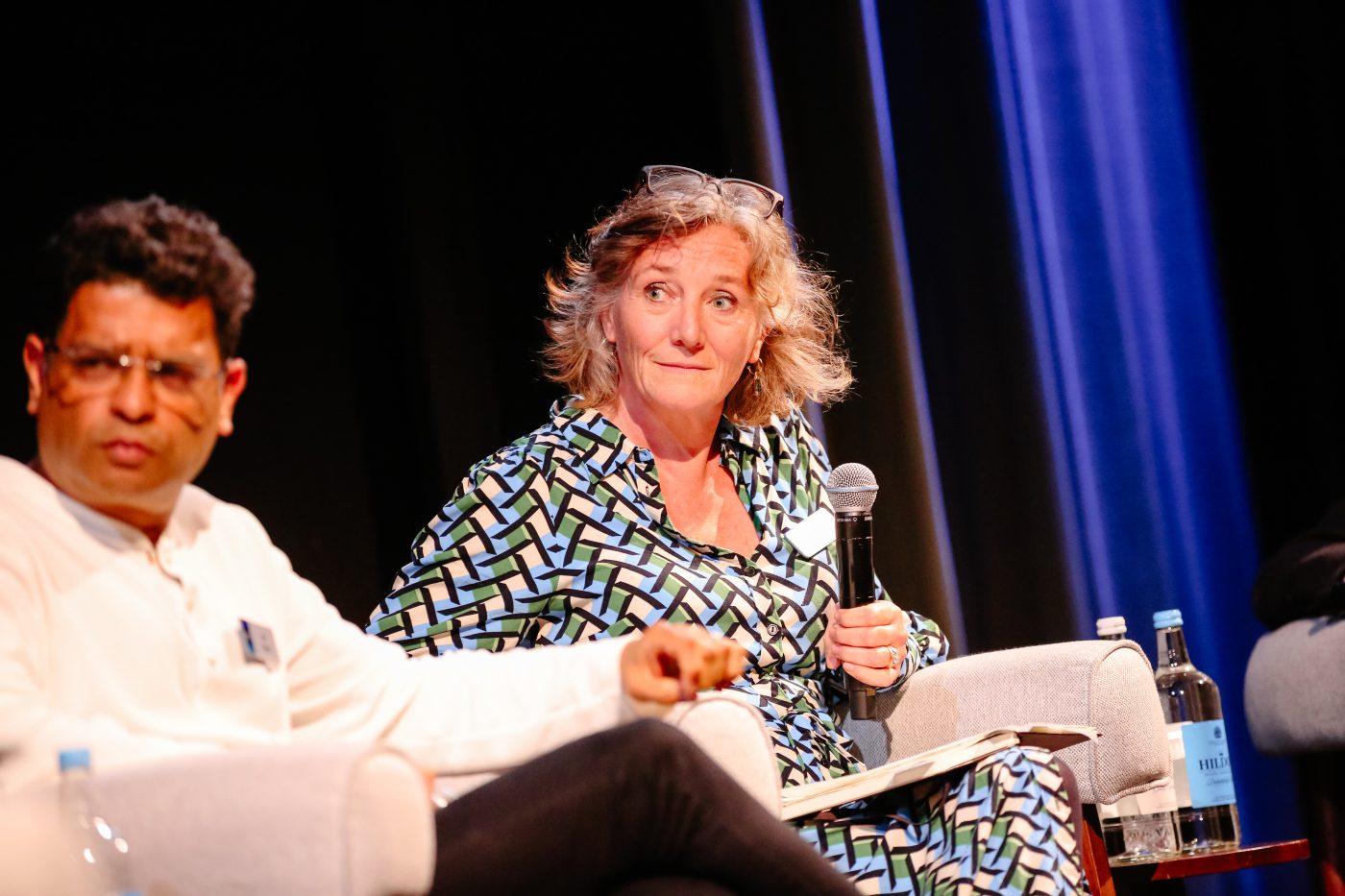
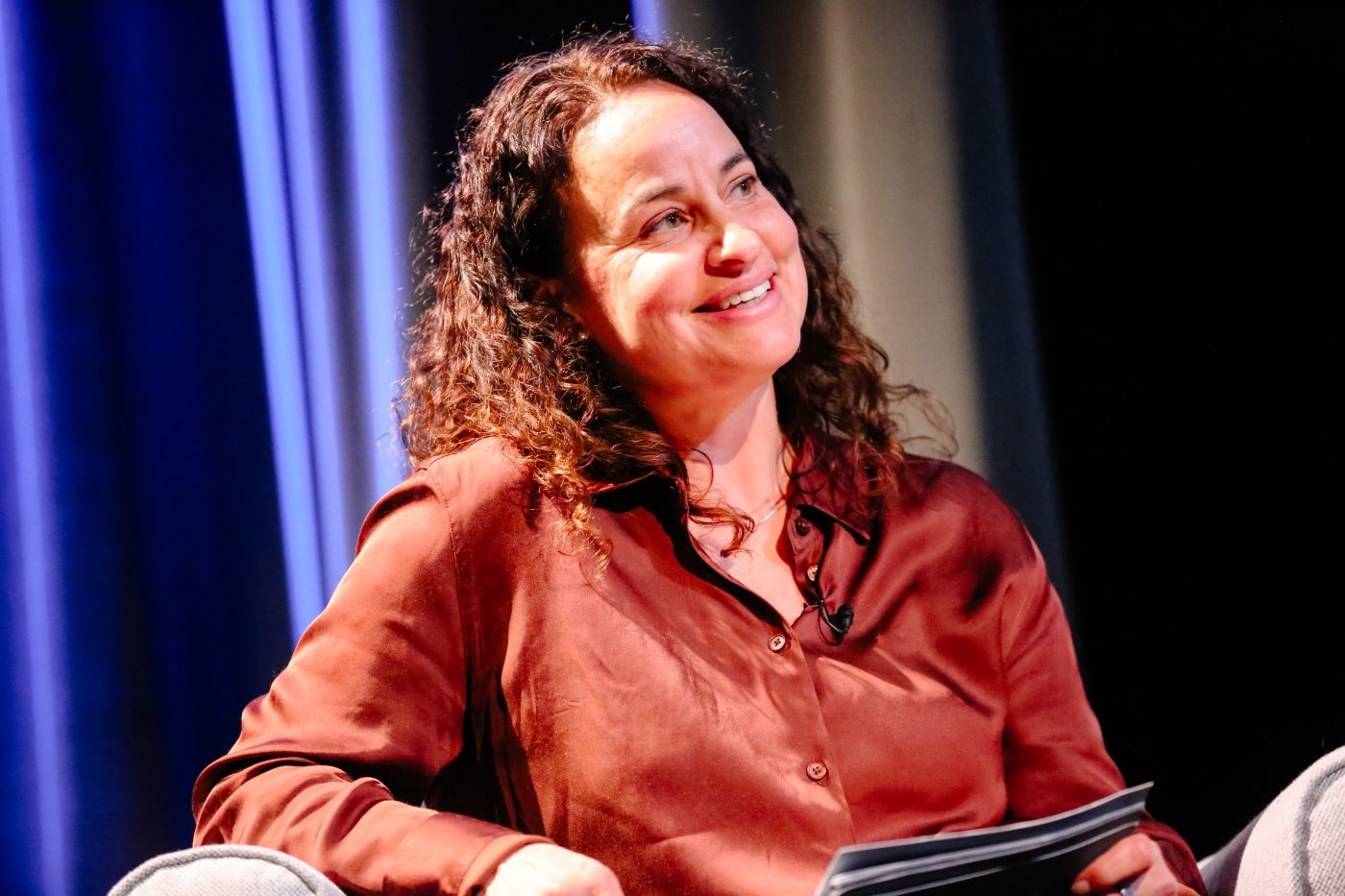
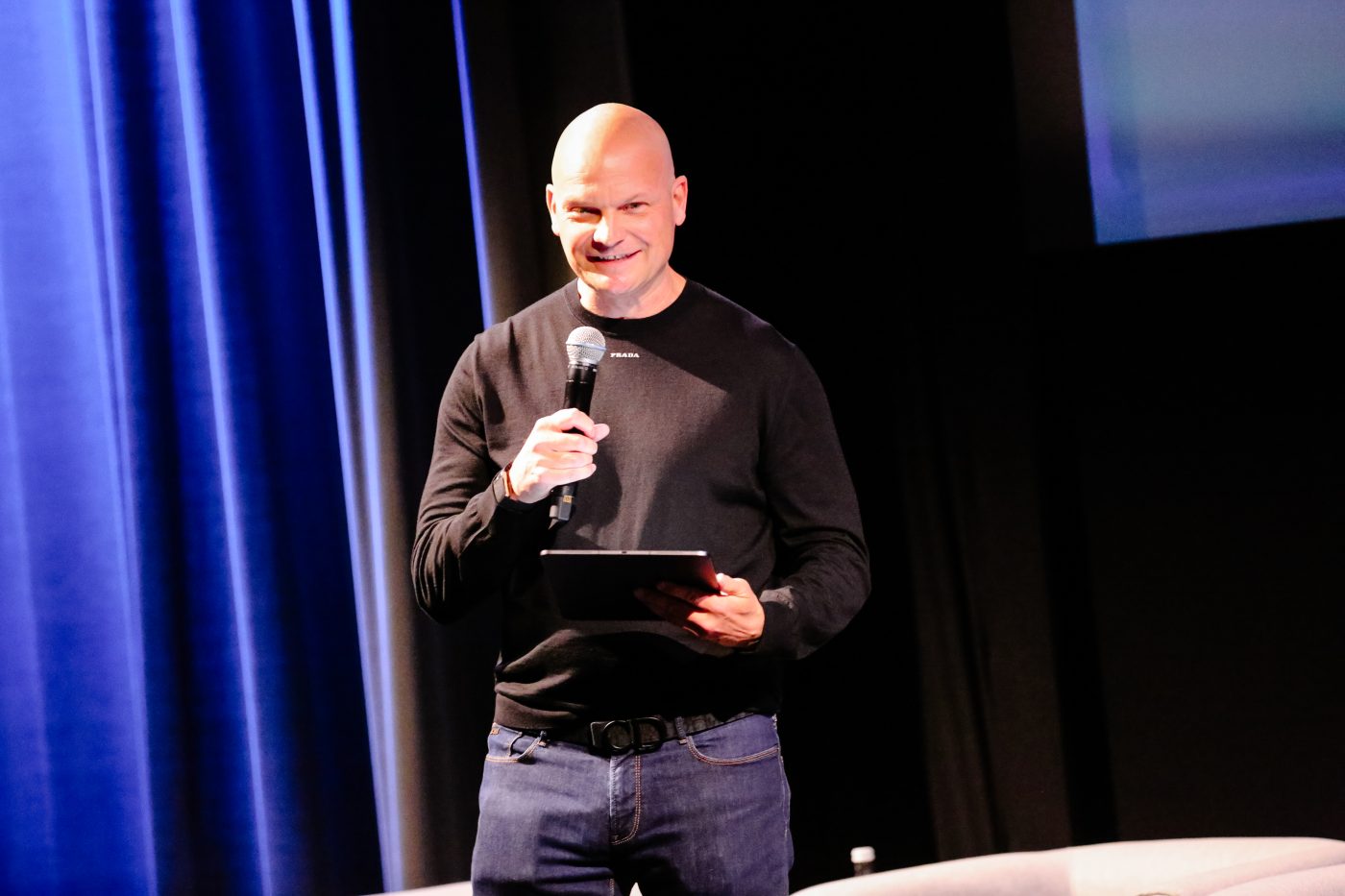
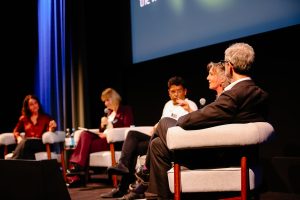
The closing panel hosted by Dr Jenn Barth and guests Lesley Pink (Home Office), Kirstine Dale (UK Met Office), Christophe Prince (Home Office) and Sat Dayal (Edelman) focused on responsible AI in practice. A key message was that responsibility is not a one-time framework, it is shaped continuously through decisions, behaviours, and organisational culture. Responsible AI is a continuous leadership discipline.
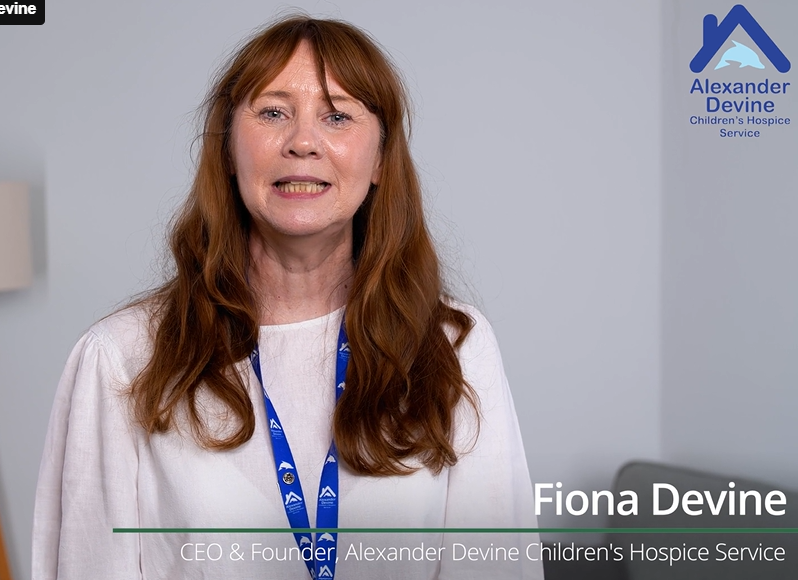
Alexander Devines Children’s Hospice
Fund a Nurse Appeal
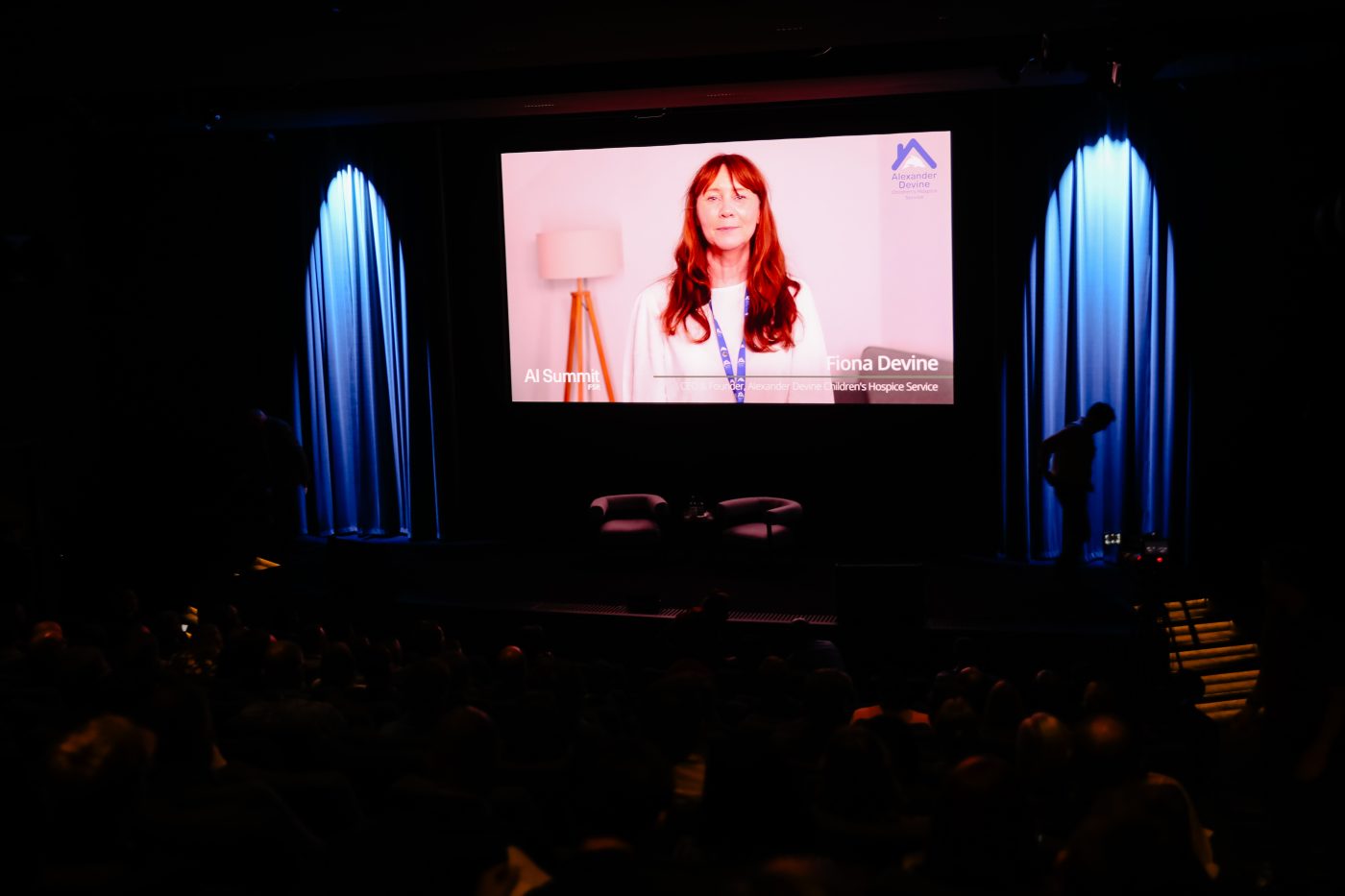
We’re proud to be supporting Alexander Devine Children’s Hospice Service, a charity providing specialist care to children with life-limiting conditions and their families. We’re raising funds towards their ‘fund a nurse’ appeal. If you would like to donate, please see the link below. On behalf of everyone at Alexander Devine and FSP, thank you.
Our AI Summit
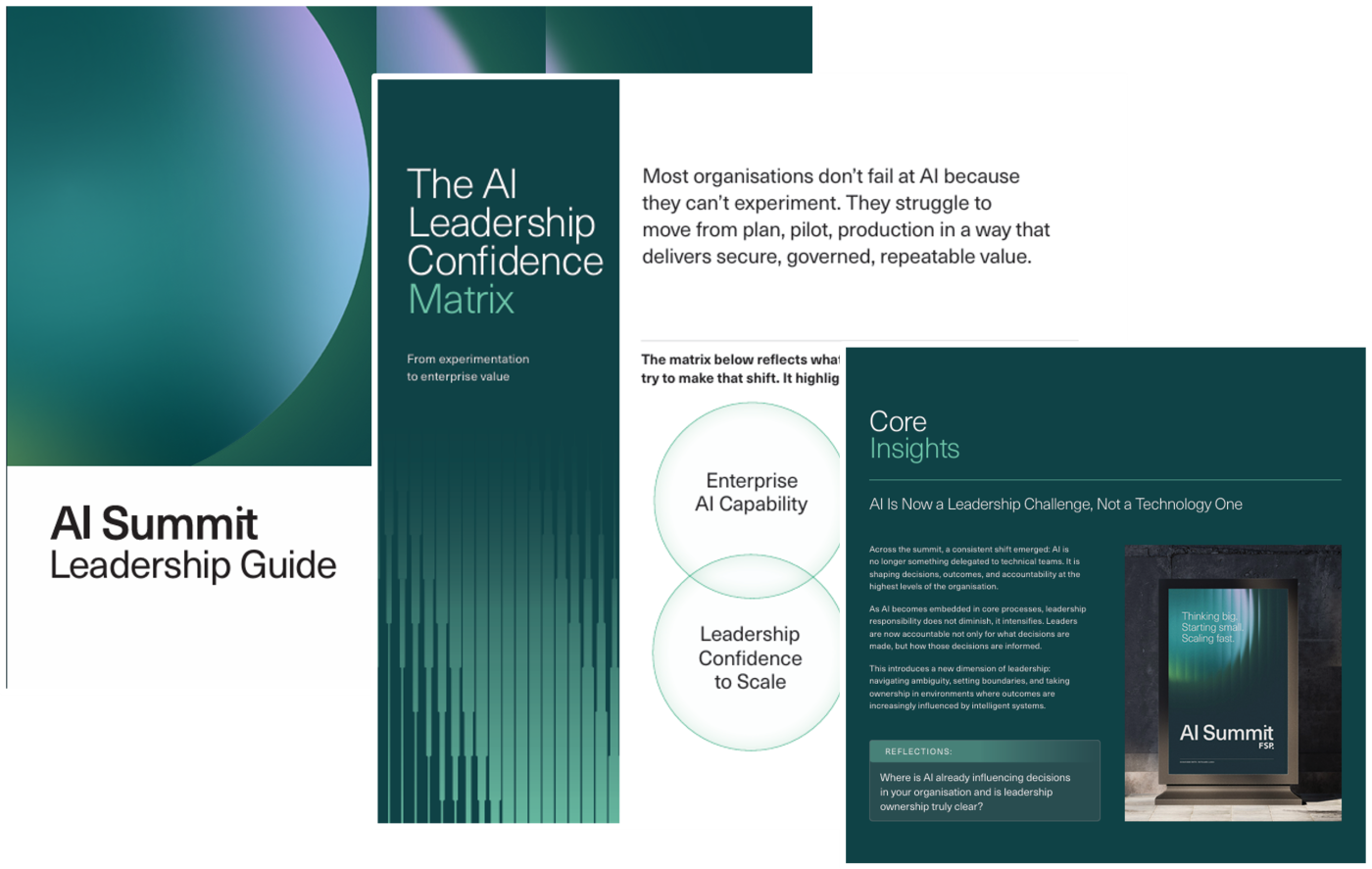
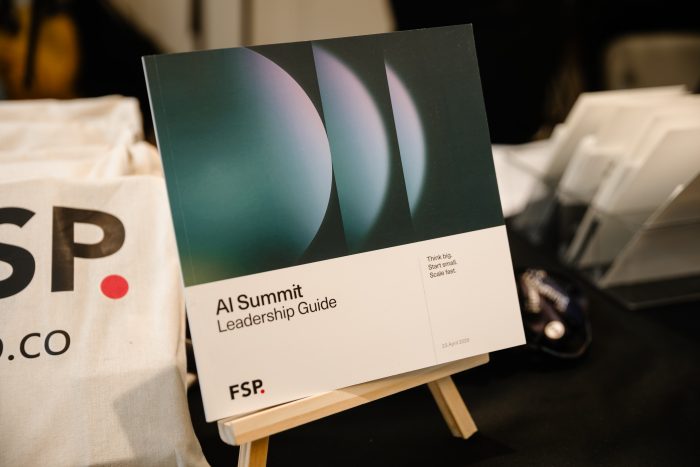
Leadership Guide
coming soon





Continue the Conversation
We’d love to talk